


Strategies to elevate paramedic safety, wellness, career development and operations
The state of the industry EMS Trend Survey explores issues tied to provider recruitment and retention; safety, health and wellness support; technology adoption; and career development, produced in partnership with Fitch & Associates and the National EMS Management Association.

EMS TREND REPORT


ANALYSIS AND COMMENTARY


Community paramedicine demands a mindset shift — from crisis mode to continuity of care. Learn how EMS providers can build trust, treat root causes and redefine what success looks like.


From power-lift cots to AI-powered software tools, the most valuable EMS technology is the kind that reduces provider burden on everyday calls

The 2026 AIMHI Benchmark Report gets to the heart of what the highest-performing EMS organizations have in common
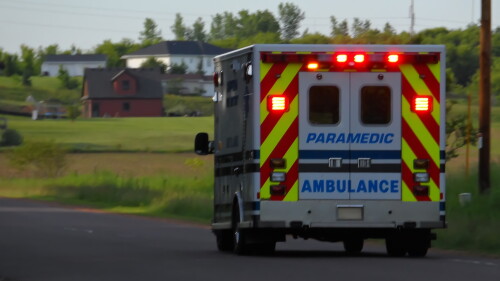
Frequent EMS use can signal unmet medical and social needs and an opportunity for agencies to improve care coordination, crew availability and system performance

The whole-system approach to protecting your personnel from violence

Cleveland EMS is advancing clinical innovation, strengthening community trust and expanding its role as a healthcare partner beyond emergency transport

Dr. Joelle Donofrio-Odmann confronts cumulative EMS trauma head-on

Learn how EMS leaders and providers can navigate career development hurdles and create a future of meaningful professional growth

It’s time to match praise with policy for those on the front lines

For 2 hours and 43 minutes each day, someone is influencing our providers, and ideally, it should be us

Simple, repeatable practices — from micro-resets to peer support — that fit real shift constraints

“You don’t have to leave EMS to survive EMS. But you do have to be intentional about how you stay.”

In EMS, support is essential — but without limits, even helpers burn out. Here’s how to stay connected without carrying it all.

Even the most disciplined providers burn out when high demand meets zero recovery

In a profession defined by chaos, simple routines can reduce stress, improve sleep and create stability where it matters most — at home

Achieve peak performance through foam-rolling, active warm-ups, deadlifts, functional dumbbell exercises and high-intensity interval training

Who could use a little more sleep?

Contract negotiations may hold the key to closing the gap between what medics expect and the reality of the job
RECRUITMENT AND RETENTION

“It’s not that millennials and alphas don’t want to work; it’s that they don’t want to be lied to anymore, and let’s be honest: EMS has been living a lie for too long.”

Inspiring ways to recognize providers’ contributions, educate the community and recruit the next generation

Six different career ladders with compensation and rank based on experience, higher education and specialized training improves retention

With a provider-first 24/72 schedule, advanced clinical tools and a culture rooted in teamwork, Stokes County EMS is redefining what it means to build a sustainable paramedic career

What does your agency social media presence convey?

New Florida data shows the profession must evolve or continue to lose talent at unsustainable rates

With burnout ranked as the top concern, the EMS Trend Survey reveals a profession pushed to the brink — and what must change to protect it

When employees are happy, engaged and productive, and the organization is meeting their individual needs, they are more likely to meet their full potential

As you begin your EMS journey, remember: the calls are real, the people are counting on you, and your training is just the beginning

Join Mike Taigman, Chris Carlson and Daniel Brown to explore how data-driven decisions, BLS units, telehealth and nurse advice lines can reshape emergency services — without risking lives

Union pressures mayor as investment in equipment outpaces investment in people

If you’ve ever worked tired, driven drowsy, or taken one shift too many, this one’s for you

With 17 paramedic vacancies, the county turns to sign-on bonuses, but will it solve the real problem?

City leaders seek millions in funding to improve EMS wages

Program aims to recruit and train 50-75 paramedics annually to strengthen workforce

State EMS Director Joe Schmider on how Texas’ data-driven plan brought in 10,915 new providers

Recruitment efforts can focus on non-traditional members, people who live outside the area and even members of neighboring departments

Eve Grau, co-founder of Royal Ambulance, a Glassdoor Employee’s Choice winner, shares the moments that matter, and how to recognize performance

From coffee, to healthy snacks and hydration options, make sure your EMS crews have everything they need to recharge between shifts with cost-saving subscription options

When the overtime pool is deep, many EMTs and paramedics will swim for as long as they possibly can
HEALTH AND WELLNESS

The importance of bearing witness to the tragedy we encounter in daily life, and the gifts that these difficult situations sometimes bring

We do everything we can in the hope we’re wrong about what is happening to the smallest of victims

From dark humor, to ice cream, to prayer, EMS professionals say there’s no single fix, and some warn there’s too little time to process

8 ways to moderate humor to improve patient connection and care, and avoid taking it too far


When call volume is relentless, these 5-15 minute resets fit inside real workflows — helping EMTs and paramedics lower stress, stay present and carry less from call to call

Marking anniversaries, like 9/11, is important for honoring those experiences and carrying forward the lessons learned

Rear Admiral Lisa Delaney discusses eligibility, covered conditions and why some responders are only now seeking care

The Anthony Giambrone case exposes the widening gap between drug-free workplace rules, medical marijuana laws and what it actually means to be fit for duty.

Creating multiple pathways to wellness — including equine-assisted support — can help first responders find the kind of care that meets them where they are

Medication strategies tailored to ADD/ADHD and sleep disorders — not just fatigue — across long shifts, overnight calls and unpredictable workloads

Keep your new tattoo safe, clean and vibrant with these nine tips tailored for tough environments

Dr. Baxter Larmon and filmmaker Tom Putnam discuss “Into the Unknown,” the new documentary from Randolph Mantooth, Kevin Tighe and Steve Buscemi

By automating transcription, translation and administrative work, AI frees dispatchers to focus on what matters most: listening, assessing and guiding people through their worst moments

The curse of a busy EMS career is that compassion is the skill that erodes while all the rest of our skills become stronger with constant practice

Creating an effective tabletop training exercise for pre-planning MCI response

From retirement planning and physical fitness to mental health and backup careers, more than 400 EMS professionals reveal the lessons they learned the hard way

How First Priority Mobile Healthcare is rethinking workforce sustainability

She’s still in the field. Why isn’t she on the shelves? (And, again, where is Police Officer Barbie?)

Why “tough it out” is failing EMS — and what actually helps
LEADERSHIP

The Rural Health Transformation Program may be one of the biggest opportunities EMS has seen in years, but winning the money is only the first challenge

NEMSAC’s sprawling agenda reveals a bigger challenge: deciding what comes first — and recognizing that almost nothing fits neatly into one committee

With a new committee structure and an ambitious agenda, NEMSAC now has to prove it can turn federal priorities into meaningful EMS progress
Modern EMS was founded on the idea that patients need medical care, not simply a ride to the hospital. Six decades later, reimbursement still rewards motion over medicine.

How EMS agencies can find, win and manage grants

“The next battle over ambulance reimbursement will not be won with emotional stories or clever slogans.”

From emotional intelligence to adaptability, learn how to spot top-tier EMS providers

Reflecting on serving as a nonprofit director, healthcare executive and public safety chief

From securing initial funding to partnering with payors,here’show one rural EMS agency turned a vision into a thriving MIH program.

A step-by-step guide for EMS agencies to find and apply for funding

As paramedics take on expanding roles in healthcare, behavioral health and community response, outdated funding and reimbursement systems continue to reward transports over outcomes

From Medicaid to AFS, GEMT, CPEs, IGTs and UPLs — a plain-language guide to the acronyms and financing mechanisms shaping the future of ambulance reimbursement

Learn how to structure your message; connect with your audience; and present with authenticity, energy and impact

The proposed rule highlights a long-standing disconnect: ambulance reimbursement pays for transports, while communities depend on agencies to maintain round-the-clock readiness

The Kentucky EMS Leadership Academy is helping providers move beyond day-to-day management and develop the skills needed to strengthen teams, improve culture and support rural communities
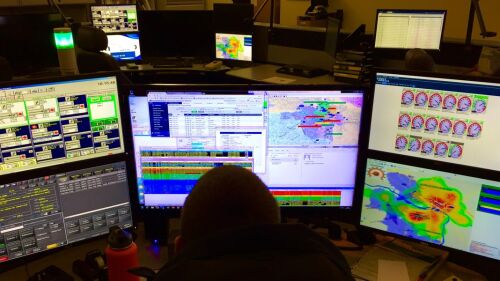
Learn how modern EMS systems can move beyond traditional dispatch models to balance patient acuity, resource limitations and future call demand

At PWW XI, Donnie Woodyard challenged EMS leaders to look beyond today’s staffing, funding and operational pressures and embrace the innovations that could redefine the profession

Communicating with law enforcement and following these clinical guidelines will help to keep patient safety first and foremost

Strategic planning is not about predicting the future. It is about choosing it.

Leadership theory meets day-to-day EMS reality as Chris shares the challenges of fixing workflows, rebuilding morale and creating standards crews can believe in

Practical strategies to build influence, engage policymakers and drive meaningful industry change

When leadership is clear, disciplined and consistent, even the most unlikely group can perform with precision

From five-alarm fires to pay parity battles, Bonsignore brings calm credibility to one of the toughest jobs in public safety

Commissioner Lillian Bonsignore on recognizing EMS as an essential service with the funding and career pathways to match

Why EMS organizations struggle with accountability (and how strong leaders fix it)