

BREAKING NEWS


A paramedic and her husband were arrested after she was accused of not covering her face in the car as her husband drove her to her job at the hospital
A 74-year-old man claims Livingston County deputies mistook his medical emergency for intoxication and left him permanently injured
The Marion County Rescue Squad was honored after expanding pediatric training, equipment and quality improvement efforts
First responders participated in hands-on training focused on emergency medical care for police and working K-9s
After 24 years with WellSpan Health, paramedic and emergency management leader Chris Krichten is helping build Manheim Township’s department
EXCLUSIVES


🔥 NEW on EMS One-Stop:
Policy, payment reform & why EMS must engage
Policy, payment reform & why EMS must engage
As EMS reimbursement faces unprecedented scrutiny and pressure, Shawn Baird joins the EMS One-Stop podcast to explain what is happening in Washington, D.C., why it matters to every ambulance service in America and what EMS leaders can do about it.
SPECIAL REPORTS


UPCOMING & ON-DEMAND EVENTS

Relationships and trust are the foundation of partnerships and contracts

Find out the latest on how your agency can access ARP and other funding opportunities, as well as guidance around proposals, tactics and strategies

Data collected throughout the first half of the year help agencies and departments improve performance and service

Best practices for infection control before, during and after assessment, treatment and transport of 3 common EMS patient scenarios

Explore ongoing research into fatigue and strategies to both prevent and manage it

A PCR can take 10 times longer than the call, but this webinar can help EMS agencies cut that time and provide complete call information

Preventing ransomware attacks is possible; our expert panelists offer several best practices your agency can follow to help reduce risk and mitigate potential issues


Find out how 5G enables public safety agencies to respond faster with real-time information that keeps first responders and their communities safer

How do you ensure technology will scale 5, 10 years down the line?

Discover the best security postures with high levels of availability and reliability

People are your most important asset, but what are you doing to retain them?
INDUSTRY INSIGHTS

Survey data reveals why resilient communications are becoming essential to response effectiveness, personnel safety and patient care

Learn how EMS agencies can create interoperable systems of care, strengthen community partnerships and secure funding to support long-term program success

Its platform gives first responders full visibility into equipment, supplies and compliance

Reserve your place today to learn how EMS leaders are approaching AI with clarity, confidence and operational focus
WATCH NOW

Here’s how the chain of survival achieved ROSC and a positive neurological outcome for a severely hypothermic hiker


OFF DUTY

You’ve got the requisite emergency response training, but do you have the knowledge to survive a lawsuit?

Where to buy EMS pants that can stand up to the demands of the job

Five considerations for patient assessment, scene safety and patient handoff when responding off-duty

Laysha Ward teaches public safety leaders how to reframe life experiences into leadership superpowers, develop connection currency and align work-life goals for sustainable success

Explore top self-defense tools like TASERs, pepper spray and personal alarms. Learn how to choose, use, and store them safely and legally

Rapid decision-making and risk assessment skills make EMS professionals a perfect fit for high-paying safety leadership roles

EMS Products
Follow this expert guide to cleaning, conditioning and polishing your boots, belts and gear the right way

The benefits are numerous, but the startup can be daunting; become a meal-prepping pro with these top-rated solutions

Read the first five practical, no-nonsense strategies to help you stay sharp, resilient, and in control — no matter what the job throws at you

When intentions don’t match actions, trust and morale suffer. Learn how to lead with purpose, awareness and genuine presence
PRODUCT RESEARCH CATEGORIES

The EMS1 Patient Immobilization and Splints product category features products and information for researching EMS patient handling and immobilization equipment, covering various types of splints, backboards, patient handling, stretchers, and other tools for successful patient immobilization.

The EMS1 Vascular Access product category features information and resources on equipment used for vascular access for researching Vascular Access products, including intraosseous infusion systems.
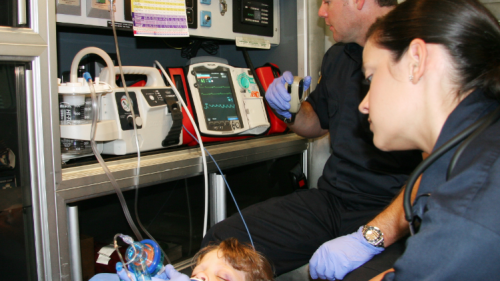
The EMS1 Medical Equipment Services product category features information for researching EMS Medical Equipment Services, covering a variety of service programs and repair options for medical equipment.

The EMS1 Ambulance Disposable Supplies product category features information, product listings and resources for researching Ambulance Disposable Supplies.

The Field Data Software product category is a collection of information and resources for researching EMS Field Data Software, including types of software, hardware, and reporting solutions that allow you to collect and track data while out on a call.
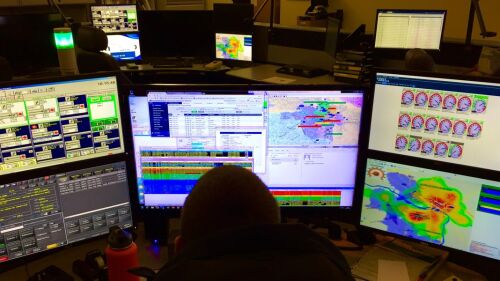
The Computer Aided Dispatch (CAD) product category features information, product listings and resources for researching CAD, including different systems, software and GIS mapping solutions for dispatch and emergency response.

The Dispatch Equipment product category features information and resources for researching Dispatch Equipment, including purchasing guides and a full directory of dispatch equipment manufacturers and distributors.

The EMS1 telehealth product category features information, product listings and resources for researching telehealth, including equipment, software and accessories, for EMS providers and EMS industry leaders.

The EMS1 Billing Software product category features information and resources for researching Billing Software for your agency, including resources for data management software programs and systems available today.

The EMS1 Personal Protective Equipment (PPE) product category features products and information for researching EMS PPE, covering apparel, helmets, gloves, boots, outerwear and other equipment needed for safe and efficient emergency response.