

BREAKING NEWS


Researchers found that trauma teams with stronger “who knows what” coordination were associated with shorter hospital and ICU stays, highlighting lessons for EMS-to-ED teamwork
Mercy Regional EMS says the service is analyzing early data as the company weighs adding ambulances and adjusting response models
OneDose’s new eMACC app digitizes medication cross-checks for EMS, aiming to reduce errors and streamline protocol updates
The Albuquerque City Council voted to restore the fire chief’s authority over a controversial EMS staffing model that shifts paramedics onto fire engines
Two Longview firefighters are recounting the rare high-angle rescue that brought two hot air balloon riders safely down from more than 900 feet after the balloon struck a tower
EXCLUSIVES


SPECIAL REPORTS


UPCOMING & ON-DEMAND EVENTS

Interoperable system solutions break data silos and support ongoing innovation

Harnessing technology to improve performance, simplify workflows and help the agency demonstrate value

Learn about the state of public safety and how your agency can best plan for short- and long-term operational challenges

Join Jay Fitch, PhD; and Anthony Minge, EdD, for an encore of John O’Leary’s powerful Pinnacle Keynote

Learn how advanced cardiac resuscitation techniques lead to increased survival in OOH cardiac arrest

Learn how to utilize hospital outcome data to evaluate chemical sedation, including ketamine, benzodiazepine and anti-psychotics

A firsthand perspective on COVID-19 in EMS and fire and how data can help shape your agency’s response

Webinar: Understanding the second victim phenomenon; tips for developing a successful peer support program

Looking to build confidence and skills in treating pediatric cardiac arrest patients? We’ve got you covered.

Learn more about how often to conduct driver training and the biggest exposures in your agency

Understand trends, learn ways to keep the EMS workforce engaged and streamline the recruiting process

Learn how new regulatory guidance on effective compliance plans from the DOJ relate to risk assessment in EMS reimbursement with this Pinnacle webinar
INDUSTRY INSIGHTS

Harnessing next-generation clinical guidance to reduce chaos and enhance confidence for EMS providers

From unit assignment to nonemergent scheduling, this software solution can help call centers and EMS agencies manage staffing shortages and growing demand
Now it supports EMS and fire professionals with secure, automated medication dispensing solutions

Learn the four data fields dispatch must get right for stronger financial performance

Developed for humanitarian crises, My-Shield delivers a nonflammable, environmentally conscious disinfecting option for EMS crews
WATCH NOW

From mental health to pay equity, influencer and flight medic Sophie Fuller opens up about the pressures of working in EMS and why it’s time to stop normalizing harm


OFF DUTY
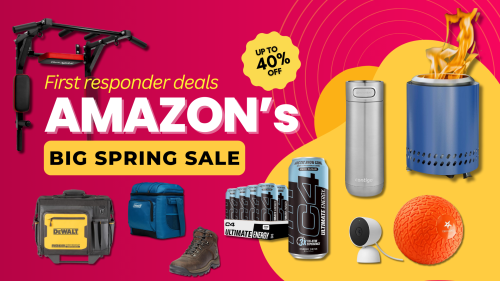
Save up to 40% off on Nest, Coleman, DEWALT, CRAFTSMAN, Contigo, Ninja, Cuisinart & more

Tired of aching feet? Check out these expert-backed solutions to keep you moving, stay pain-free and perform at your best
Short on time and space? Check out these products to help get a workout in no matter where you are in your day

Books
In a moment of global uncertainty, first responders and frontline workers stepped up when humanity needed them most; these are their stories.
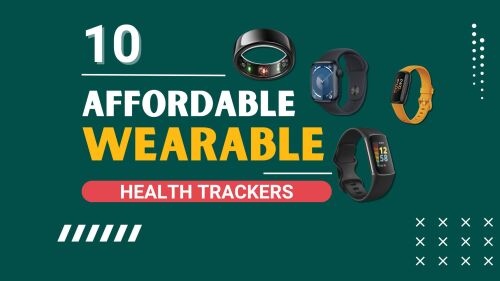
Hit your fitness goals without breaking the bank

Using an online tax preparation service or working with a public safety tax preparation expert might save you time and money. Here’s what to know.

Every little bit helps; find out which fitness clubs give first responders the most bang for their buck

It could take more than a year to adjust benefits and disburse retroactive payments following the passage of the Social Security Fairness Act — here’s how to prepare

From coffee, to healthy snacks and hydration options, make sure your EMS crews have everything they need to recharge between shifts with cost-saving subscription options

Common agents used in drug-facilitated sexual assault: How to recognize them and how they impact care
PRODUCT RESEARCH CATEGORIES

The EMS1 Vascular Access product category features information and resources on equipment used for vascular access for researching Vascular Access products, including intraosseous infusion systems.
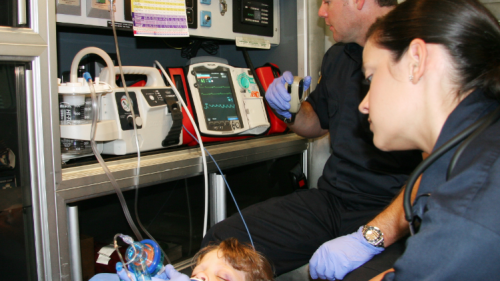
The EMS1 Medical Equipment Services product category features information for researching EMS Medical Equipment Services, covering a variety of service programs and repair options for medical equipment.

The EMS1 Ambulance Disposable Supplies product category features information, product listings and resources for researching Ambulance Disposable Supplies.

The Field Data Software product category is a collection of information and resources for researching EMS Field Data Software, including types of software, hardware, and reporting solutions that allow you to collect and track data while out on a call.

The Dispatch Equipment product category features information and resources for researching Dispatch Equipment, including purchasing guides and a full directory of dispatch equipment manufacturers and distributors.

The EMS1 telehealth product category features information, product listings and resources for researching telehealth, including equipment, software and accessories, for EMS providers and EMS industry leaders.

The EMS1 Billing Software product category features information and resources for researching Billing Software for your agency, including resources for data management software programs and systems available today.

The EMS1 Personal Protective Equipment (PPE) product category features products and information for researching EMS PPE, covering apparel, helmets, gloves, boots, outerwear and other equipment needed for safe and efficient emergency response.

The Online Training product category features products and information for researching EMS online training and covering a variety of products and services, including training programs/courses available online.
Training simulators are key tools for building EMS skills through realistic, scenario-based learning. This topic covers high- and low-fidelity simulators used to practice airway management, trauma care, cardiac response, and other critical interventions. Simulators help EMS personnel improve decision-making, teamwork, and clinical performance in a controlled environment. They also support certification, recertification, and ongoing education. For additional resources used in EMS training, see Training Equipment & Supplies. Explore the articles in this topic to learn how simulators enhance the quality and effectiveness of EMS training programs.