

BREAKING NEWS


Union leaders say Homer Township Fire Protection District’s decision could delay patient transports as call volume continues to rise
Burns Flat EMS personnel say the state’s non-essential classification hurts rural EMS staffing
In Sacramento, nearly 40% of EMS calls were classified as non-emergencies, tying up ambulances and EMS crews, delaying urgent responses
Firefighter/Paramedic Demair Lloyd, of the Prince George’s County Fire/EMS Department since 2006, suffered a medical emergency at home
Freeman Health System’s new EMS Appreciation Lounge gives paramedics, EMTs and air medical crews a place to rest and refuel
EXCLUSIVES



🔥 NEW on EMS One-Stop:
Policy, payment reform & why EMS must engage
Policy, payment reform & why EMS must engage
As EMS reimbursement faces unprecedented scrutiny and pressure, Shawn Baird joins the EMS One-Stop podcast to explain what is happening in Washington, D.C., why it matters to every ambulance service in America and what EMS leaders can do about it.
SPECIAL REPORTS


UPCOMING & ON-DEMAND EVENTS

Reserve your place today to learn how EMS leaders are approaching AI with clarity, confidence and operational focus

Practical strategies to build influence, engage policymakers and drive meaningful industry change
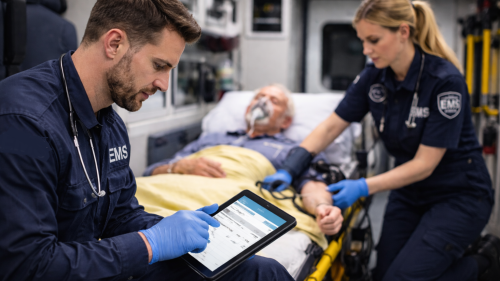
Work smarter, document faster and submit with confidence
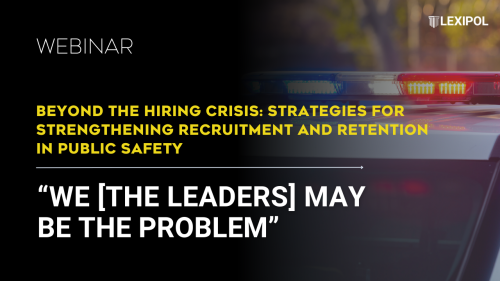
Learn how public safety agencies can overcome recruitment roadblocks with real-world strategies rooted in leadership, transparency and cultural change
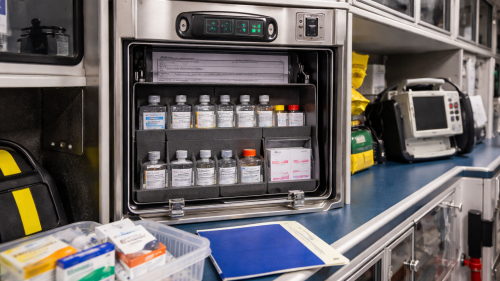
What the rule changes mean for EMS and how agencies can reduce risk, lighten administrative burden and support better patient care

Harnessing next-generation clinical guidance to reduce chaos and enhance confidence for EMS providers
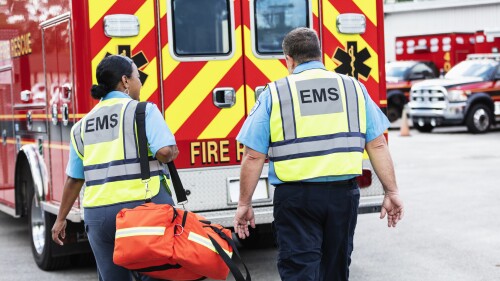
Empower personnel to step in early — before issues escalate

Lessons from agencies mastering real-time collaboration under pressure

End the burnout cycle with proven initiatives to create a more sustainable EMS culture

This informative webinar will provide key information on how two public safety agencies (one police and one fire) funded comprehensive smartphone programs that provided issued devices to all personnel.

Hear from survey investigators as they share data-driven strategies to improve EMS documentation across agencies

Get the insights, expert advice and tools to help your agency score big on grants
INDUSTRY INSIGHTS

Survey data reveals why resilient communications are becoming essential to response effectiveness, personnel safety and patient care

Its platform gives first responders full visibility into equipment, supplies and compliance

Learn how EMS agencies can create interoperable systems of care, strengthen community partnerships and secure funding to support long-term program success

A quick guide to the benefits and factors that should shape your choice

Cumbersome and costly testing methods have long challenged first responders – this product changes that
WATCH NOW

Clark County’s new EMS-led program equips farmers with tourniquets and training to survive catastrophic injuries long before ambulances can reach them


OFF DUTY

Save on top brands in tactical gear, fitness equipment and tech essentials you trust on and off duty

Whether you’re preparing for a blackout or going camping, learn how to select the right generator to ensure reliable power when you need it most

It’s officially cold and flu season; are you stocked up on the essentials?

Retired firefighters, EMS and police officers may reduce their taxable earnings by up to $3,000 for medical insurance premiums paid during a calendar year

Ensure your home is equipped with smoke/CO alarms, fire extinguishers, escape ladders and other vital safety products
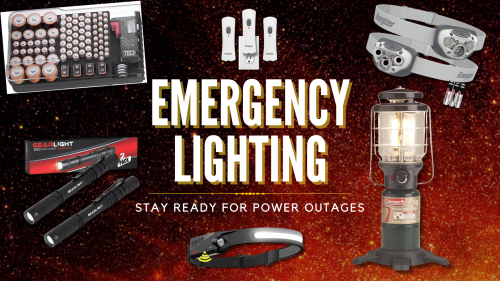
Power outages can happen anytime. From flashlights to gas lanterns, discover versatile and reliable tools to keep your environment well-lit during emergencies.


Whether you’re stalking game or sitting in a tree stand, these options can be the difference between a successful hunt and going home empty-handed

Lift more weight while reducing back pain: A guide on using weightlifting belts for first responders
Weightlifting belts that are properly fitted to the lifter can add extra support for the lower back and improve lifting performance

Functional fitness is essential for first responders, enabling them to build the strength and agility required for real-world rescues and other high-stress situations
PRODUCT RESEARCH CATEGORIES

The EMS1 Vascular Access product category features information and resources on equipment used for vascular access for researching Vascular Access products, including intraosseous infusion systems.
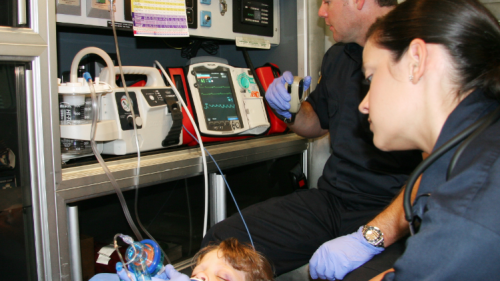
The EMS1 Medical Equipment Services product category features information for researching EMS Medical Equipment Services, covering a variety of service programs and repair options for medical equipment.

The EMS1 Ambulance Disposable Supplies product category features information, product listings and resources for researching Ambulance Disposable Supplies.

The Field Data Software product category is a collection of information and resources for researching EMS Field Data Software, including types of software, hardware, and reporting solutions that allow you to collect and track data while out on a call.
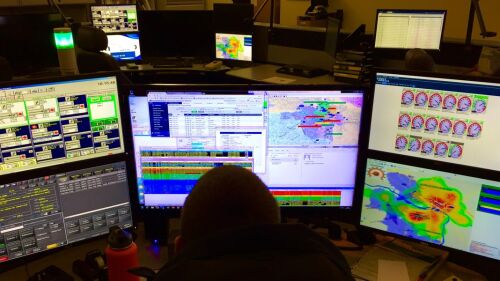
The Computer Aided Dispatch (CAD) product category features information, product listings and resources for researching CAD, including different systems, software and GIS mapping solutions for dispatch and emergency response.

The Dispatch Equipment product category features information and resources for researching Dispatch Equipment, including purchasing guides and a full directory of dispatch equipment manufacturers and distributors.

The EMS1 telehealth product category features information, product listings and resources for researching telehealth, including equipment, software and accessories, for EMS providers and EMS industry leaders.

The EMS1 Billing Software product category features information and resources for researching Billing Software for your agency, including resources for data management software programs and systems available today.

The EMS1 Personal Protective Equipment (PPE) product category features products and information for researching EMS PPE, covering apparel, helmets, gloves, boots, outerwear and other equipment needed for safe and efficient emergency response.

The Online Training product category features products and information for researching EMS online training and covering a variety of products and services, including training programs/courses available online.