

BREAKING NEWS


Georgetown Scott County EMS officials say fuel prices have jumped in recent weeks, prompting the agency to increase its annual fuel budget while maintaining full emergency response capabilities
Integrating MedicWest ambulance units into the system is helping North Las Vegas fire officials close coverage gaps and significantly improve emergency response times
A Ford County firefighter/paramedic died, leaving behind more than seven years of service
Acadian Ambulance launches response kit to help first responders communicate with nonverbal patients
A new autism resource kit adds communication tools, training videos and caregiver support resources inspired in part by a January crash involving a 14-year-old autistic teen
The USFA campus in Emmitsburg will host the NFFF 2026 Memorial Weekend during the ongoing DHS shutdown
EXCLUSIVES


SPECIAL REPORTS


UPCOMING & ON-DEMAND EVENTS

Learn how technology will shape the future of public safety operations, based on results of the second annual Verizon Frontline Public Safety Communications survey

Action items to advance operations, adapt service delivery, and recruit and retain the talent of the future

Esteemed fire chief and EMS lieutenant share lessons learned from community paramedicine program

MCHD’s Sean Simmonds shares decontamination best practices

How to apply for grant funding for naloxone and opioid-reversal interventions and more

EMS training in bleeding control must incorporate mass casualty incident plans and drills as well as the need to prioritize patient triage by injury severity, transport priority and the type of treatment – layperson or medical professional – that is required.

An overview of the current evidence.

View this virtual tabletop webinar to help prepare you to respond to the next mass casualty incident in your jurisdiction

Data collected on evidence-based measures informs this discussion meant to inspire further quality improvement by pairing specific metrics with practical recommendations

Ward off burnout and turnover by increasing career resiliency and opportunity

5 ways to expand your options and forge your EMS career

Strategies to unilaterally reduce ED wait times and get back into service
INDUSTRY INSIGHTS

Whether in virtual reality or on a web browser, first responders can practice medical and behavioral health scenarios in a safe, realistic environment

Turnover in your billing office may reveal where reimbursement relies on memory instead of documented process

The treatment has evolved to be one of the most effective and evidence-based treatments for trauma

A unified technology suite can bring big advantages in a tight labor environment, including improved revenue

The final rule has been released – here’s what a veteran enforcement agent finds most important about it
WATCH NOW

PFD Assistant Chief Jeff Schripsema shares a powerful story highlighting the department’s commitment to its members


OFF DUTY
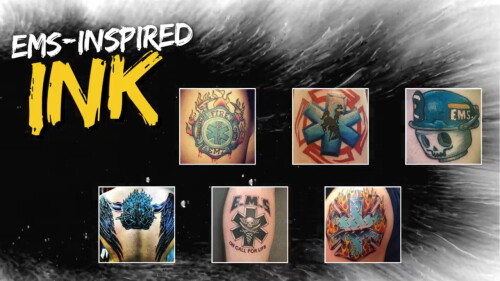
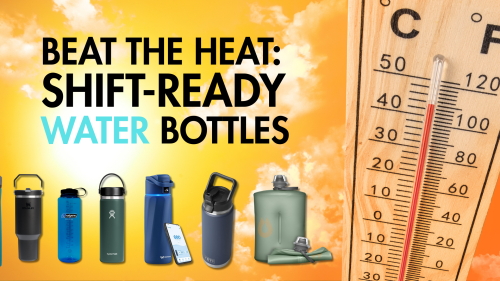
Insulated, smart, and high-capacity bottles designed to help first responders beat dehydration on shift and beyond

What they’ll never tell you about why we stay

I lived to retire from the ambulance company

Summer is great for a lot of activities, but sometimes the heat can put a damper on your workout ambitions

When employees are happy, engaged and productive, and the organization is meeting their individual needs, they are more likely to meet their full potential

Firearms instructor Todd Fletcher went from a competitive power lifter to a retiree managing pre-diabetes and high blood pressure, showing the impact of shift work on wellness

From smartwatches to hydration, here are four mission-ready picks to help you build strength, regulate stress and stay fit for the job — and for life

Score discounted duty gear, workout tools and everyday essentials July 8-11 with our curated list of budget-friendly buys

The series offers a window into the experiences of first responders through the use of real stories from real law enforcement officers, firefighters and EMTs
PRODUCT RESEARCH CATEGORIES
The EMS1 EMS Scheduling and Time Tracking Software product category features products and information for researching software, staff management and scheduling tools.
The EMS1 Incident Management product category features products and information for researching EMS incident management, including software and other tools for successful incident management.

The EMS1 ePCR – Electronic Patient Care Reporting product category features information and resources for researching ePCR products, including solutions that allow you to collect patient information and care details electronically.

The Community Paramedicine Software product category features information, product listings and resources for researching EMS Community Paramedicine Software solutions, including billing, field data and scheduling software as well as computer aided dispatch (CAD) and electronic patient care reporting (ePCR).

The EMS1 Off-Duty product category is a collection of information and resources for researching Off-Duty lifestyle products and programs.
Training equipment and supplies are essential for preparing EMS providers to perform critical skills safely and effectively. This topic encompasses manikins, simulation devices, task trainers, and consumable materials used in skills labs and continuing education programs. Quality training tools support realistic scenarios, hands-on practice, and competency-based assessments. Keeping training equipment current and well-maintained ensures providers are ready for real-world emergencies. For tools used during actual patient care, see Diagnostic Equipment. Explore the articles in this topic to learn how training resources support EMS education and readiness.
EMS gear supports the safety, mobility, and performance of emergency medical personnel in the field. This topic includes uniforms, footwear, outerwear, bags, belts, and protective equipment designed for daily operations and challenging environments. Proper gear improves comfort, durability, and readiness while meeting safety and agency standards. Selecting the right equipment can help reduce fatigue and minimize the risk of injury during demanding calls. For tools used during patient assessment and treatment, see Diagnostic Equipment. Explore the articles in this topic to learn more about selecting and maintaining gear that meets the needs of today’s EMS professionals.
Diagnostic equipment enables EMS providers to assess patient conditions quickly and accurately in the field. This topic encompasses various tools, including pulse oximeters, ECG monitors, capnography devices, glucometers, and blood pressure monitors. Effective use of diagnostic equipment supports clinical decision-making, guides treatment, and improves patient outcomes. EMS professionals must stay informed about new technologies, device features, and maintenance requirements to ensure optimal performance. For related tools used during transport and care, see Ambulance Disposable Supplies. Browse the articles in this topic to learn how diagnostic equipment supports prehospital assessment and care delivery.
Patient care is the foundation of EMS, encompassing the assessment, treatment, and transport of individuals in medical or trauma emergencies. This topic covers essential practices, including airway management, bleeding control, medication administration, and patient monitoring. It also includes protocols, documentation, and communication with receiving facilities. Delivering effective patient care requires clinical knowledge, critical thinking, and adherence to current guidelines. For tools that support care delivery in the field, see Diagnostic Equipment. Explore the articles in this topic to stay informed on essential skills and strategies for high-quality EMS patient care.
The EMS1 Airway Management product category features information, product listings and resources for researching airway management.