

BREAKING NEWS


Homeland Security Secretary Markwayne Mullin ends the $100,000 sign-off requirement imposed by predecessor, aiming to ease FEMA bottlenecks and speed recovery aid
Both AMR EMTs were hospitalized with non-life-threatening injuries
McCandless-Franklin Park Ambulance Authority will add CPR devices and a next-generation heart monitor to improve patient care
JeffSTAT pilot Mike Moore marks rare career achievement after nearly two decades of flying critical patients, crediting teamwork and a commitment to safety
First responders spent hours navigating steep terrain to reach and airlift a hiker who plunged up to 30 feet in North Cheyenne Cañon Park
EXCLUSIVES


SPECIAL REPORTS


UPCOMING & ON-DEMAND EVENTS

Work smarter, document faster and submit with confidence
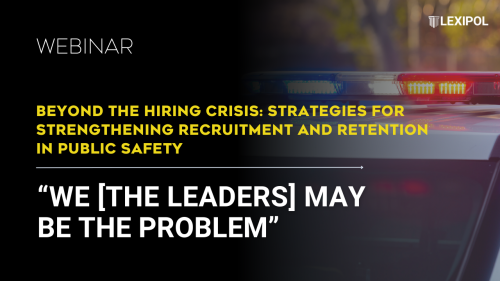
Learn how public safety agencies can overcome recruitment roadblocks with real-world strategies rooted in leadership, transparency and cultural change

What the rule changes mean for EMS and how agencies can reduce risk, lighten administrative burden and support better patient care

Harnessing next-generation clinical guidance to reduce chaos and enhance confidence for EMS providers
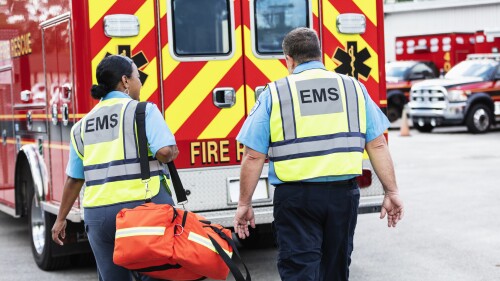
Empower personnel to step in early — before issues escalate

Lessons from agencies mastering real-time collaboration under pressure

End the burnout cycle with proven initiatives to create a more sustainable EMS culture

This informative webinar will provide key information on how two public safety agencies (one police and one fire) funded comprehensive smartphone programs that provided issued devices to all personnel.

Hear from survey investigators as they share data-driven strategies to improve EMS documentation across agencies

Get the insights, expert advice and tools to help your agency score big on grants

How technology can mitigate diversion and ensure compliance

The assessment sequence that could save lives — Are you using it?
INDUSTRY INSIGHTS

Whether in virtual reality or on a web browser, first responders can practice medical and behavioral health scenarios in a safe, realistic environment

Turnover in your billing office may reveal where reimbursement relies on memory instead of documented process

The treatment has evolved to be one of the most effective and evidence-based treatments for trauma

A unified technology suite can bring big advantages in a tight labor environment, including improved revenue

The final rule has been released – here’s what a veteran enforcement agent finds most important about it


OFF DUTY

Daniel O’Beirne and Jordan Reed, two strangers with fire and EMS backgrounds, worked together to save a driver whose semi-truck struck a pole and burst into flames

From a marathon runner who performed CPR on the course to a college student who stopped class to help his professor, these EMS providers stepped up to render aid in unexpected circumstances

Reflecting on why other officers didn’t speak up during George Floyd’s detainment

Know when to stop, how much assistance to provide and how to hand off patient care to responding authorities

Carry a small personal aid kit with you at all times to treat the aches, cuts and scrapes you are most likely to experience yourself or need to treat in friends and family
What ePCR phrases or terms do you use to describe everyday events, injury or illness while you are off-duty?
Looking for a gift, a weekend read, or a resource? Check out our recent favorites
Getting an EMS tattoo? We can’t stop you, but try not to make these mistakes

According to EMS1 data, EMTs are 1.23 times more likely than other consumers to have a credit card. Are you selecting the correct one?

EMS leaders and field personnel need to intensify the conversation about this very serious issue
PRODUCT RESEARCH CATEGORIES

The Online Training product category features products and information for researching EMS online training and covering a variety of products and services, including training programs/courses available online.

The CPR & Resuscitation product category features products and information for researching Cardiopulmonary Resuscitation (CPR) products.

The EMS1 Specialty Vehicles product category features products and information covering a variety of vehicles, including ambulances and command vehicles.

The EMS1 Ambulances product category features information, product listings and resources for researching ambulances.
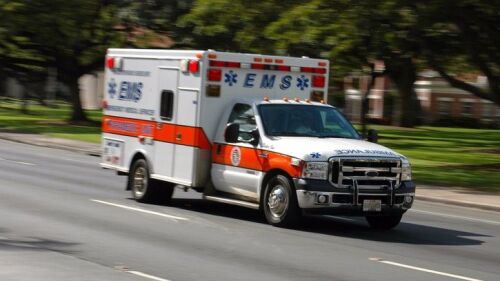
The EMS1 Ambulance Safety product category is a collection of information, product listings and resources for researching Ambulance Safety solutions.

The EMS1 Fleet Management product category features information and resources for researching EMS Fleet Management and Ambulance Fleet Management products and programs.

The EMS1 AEDs Automated External Defibrillators product category features information and product listings for researching AEDs, including defibrillators and data management solutions related to cardiac resuscitation..
The EMS1 EMS Automated CPR product category is a collection of products and information for researching Automated Cardiopulmonary Resuscitation (CPR) products. It covers a variety of Automated External Defibrillators (AEDs), training tools and other resuscitation products.

The EMS1 Defibrillators and Monitors product category is a collection of information, product listings, and resources for researching Defibrillators and Monitors used by EMS personnel to aid in their assessment and treatment of patients.

The EMS1 Personal Protective Equipment (PPE) product category features products and information for researching EMS PPE, covering apparel, helmets, gloves, boots, outerwear and other equipment needed for safe and efficient emergency response.