

BREAKING NEWS


The proposed rule would cap some Medicaid supplemental payments for ambulance providers at Medicare Ambulance Fee Schedule rates beginning in 2029
Six EMS personnel and a supervisor received the Kim L. Lifesaver of the Year Award during EMS Week 2026 after treating a critically injured shooting victim before transport
A man alleges Rutherford police struck him while he was restrained inside an ambulance and removed more than 9 minutes of video from the incident
Paramedic Will Batalon and EMT Alexis De Costa were recognized during EMS Week after helping rescue seven people from a flooded home on Oahu
Among the updated guidance, NENA said telecommunicators should check the ALI NAM field for international callback numbers rather than rely on ANI
EXCLUSIVES


SPECIAL REPORTS


UPCOMING & ON-DEMAND EVENTS

The assessment sequence that could save lives — Are you using it?

Learn why outcome-based leadership is crucial for making meaningful changes in your agency and community

Discover why the departments that treat recruiting like marketing are winning — and how to follow their lead

Hear from EMS systems and leaders turning the promise of whole blood into a proven practice for trauma patients

A recent webinar reviewed its value to EMS and shared tips for ensuring accuracy

Watch and discover expert nutrition tips tailored for first responders for peak performance, faster recovery and sustained energy on the job

Exercises, techniques, and routines designed to maximize readiness, prevent injuries and boost resilience

How personal connections can strengthen on- and off-duty resilience

You face enough challenges in your career — this webinar will help you simplify your finances and secure your future with confidence

New solutions for higher standards of care

How AI and deployable communications are changing the field

How to navigate the opioid funding landscape to secure resources for opioid abatement, reimbursement and remediation expenses
INDUSTRY INSIGHTS
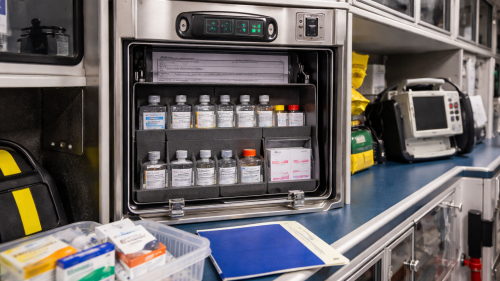
What the rule changes mean for EMS and how agencies can reduce risk, lighten administrative burden and support better patient care
WATCH NOW

Drs. Clayton Kazan and Kevin Mackey on bringing blood to the field, helping patients survive injuries that were once unsurvivable


OFF DUTY
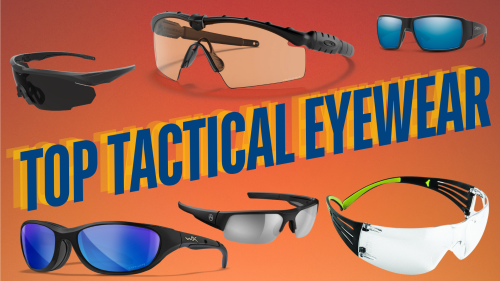
Find the perfect pair of tactical glasses with our expert recommendations, focusing on safety, optical clarity and advanced protection

Brian McCaffrey himself can remind your crew that “you go, we go”

Their quick thinking after a series of sudden deaths led to the discovery of cyanide-laced Tylenol — and a turning point in consumer safety

After surviving a rare and aggressive cancer, Dan Carr is recovering — and shining a light on the lifesaving power of organ donors like Stacey Holden

From renting out tools to real estate crowdfunding, here are 5 low-maintenance ways for first responders to build passive income

A chance diagnosis, a national call for help and a liver donated by a fellow firefighter

What DSM-5 recognition of moral injury means for EMS

Understanding the “warrior spirit” concept brings the answer into focus

Share your public safety pride with an ornament on your Christmas tree

These easy, versatile and Amazon-accessible finds make holiday decorating a breeze
PRODUCT RESEARCH CATEGORIES

The EMS1 Personal Protective Equipment (PPE) product category features products and information for researching EMS PPE, covering apparel, helmets, gloves, boots, outerwear and other equipment needed for safe and efficient emergency response.

The EMS1 EMS Body Camera product category is a collection of information, product listings and resources for researching Body-Worn Camera equipment and accessories for EMS providers.

The EMS1 Infection Control product category features products and information for researching EMS infection control, including antiseptic sprays, PPE, cleaners, respirator masks, and other tools to reduce risk of infection.

The EMS1 Patient Handling product category features products and information for researching EMS patient handling equipment, including stretchers, stair chairs, immobilization equipment, infection control and other tools for successful patient handling, lifting and moving.

The Software product category features information, product listings and resources for researching EMS software solutions and covers a variety of software products such as billing, field data and scheduling software, as well as computer-aided dispatch (CAD) and electronic patient care reporting (ePCR).
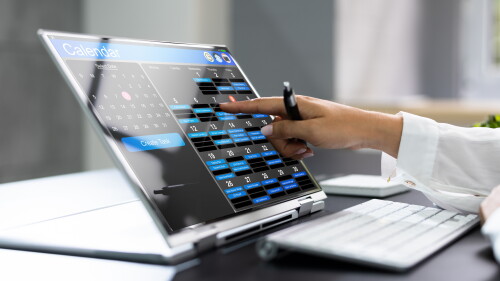
The EMS1 EMS Scheduling and Time Tracking Software product category features products and information for researching software, staff management and scheduling tools.
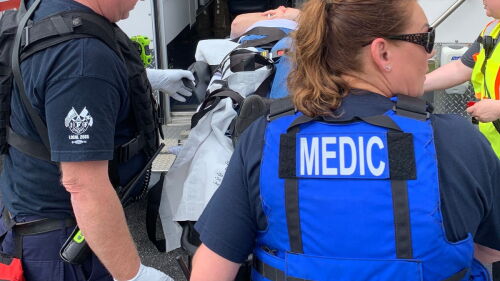
The EMS1 Incident Management product category features products and information for researching EMS incident management, including software and other tools for successful incident management.
The EMS1 Billing Software product category features information and resources for researching Billing Software for your agency, including resources for data management software programs and systems available today.

The Field Data Software product category is a collection of information and resources for researching EMS Field Data Software, including types of software, hardware, and reporting solutions that allow you to collect and track data while out on a call.

The EMS1 ePCR – Electronic Patient Care Reporting product category features information and resources for researching ePCR products, including solutions that allow you to collect patient information and care details electronically.