

BREAKING NEWS


Edgewood, Santa Fe County officials reached a preliminary agreement that would keep county crews responding to emergencies
Grant County officials say the free naloxone dispenser is meant to help bystanders act quickly during opioid overdoses before crews arrive
Dr. Mike Abernethy transported more than 4,000 patients during a career that helped shape emergency air medical care in Wisconsin and beyond
Paramedics and EMTs from multiple departments sharpened airway skills while emphasizing communication, coordination and patient-focused care
Martin Volunteer Fire Department officials said a firefighter violated department policy and patient privacy rules by recording at an injury crash
EXCLUSIVES


SPECIAL REPORTS


UPCOMING & ON-DEMAND EVENTS

Reserve your place today to learn how EMS leaders are approaching AI with clarity, confidence and operational focus

Practical strategies to build influence, engage policymakers and drive meaningful industry change

Work smarter, document faster and submit with confidence
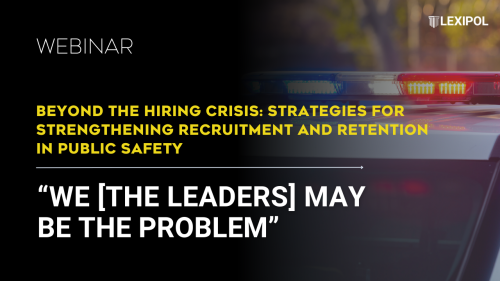
Learn how public safety agencies can overcome recruitment roadblocks with real-world strategies rooted in leadership, transparency and cultural change
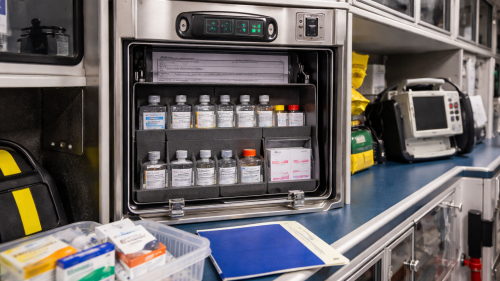
What the rule changes mean for EMS and how agencies can reduce risk, lighten administrative burden and support better patient care

Harnessing next-generation clinical guidance to reduce chaos and enhance confidence for EMS providers
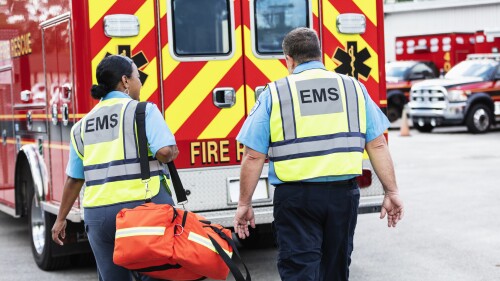
Empower personnel to step in early — before issues escalate

Lessons from agencies mastering real-time collaboration under pressure

End the burnout cycle with proven initiatives to create a more sustainable EMS culture

This informative webinar will provide key information on how two public safety agencies (one police and one fire) funded comprehensive smartphone programs that provided issued devices to all personnel.

Hear from survey investigators as they share data-driven strategies to improve EMS documentation across agencies

Get the insights, expert advice and tools to help your agency score big on grants
INDUSTRY INSIGHTS

Survey data reveals why resilient communications are becoming essential to response effectiveness, personnel safety and patient care

The treatment has evolved to be one of the most effective and evidence-based treatments for trauma

Cumbersome and costly testing methods have long challenged first responders – this product changes that

A quick guide to the benefits and factors that should shape your choice


OFF DUTY


From innovative stoves to music and lighting for ambience, here’s your ultimate guide to a memorable campfire gathering

Could intermittent fasting be the wellness key you’ve been searching for?

Browse our gallery of AI-generated Lego EMS stations featuring locations from around the United States

Firefighter Megan Warfield leapt into action to help a victim in an overturned car after being involved in a multi-vehicle crash – and gave birth 23 hours later

The year was full of disaster responses but also brought impressive extrications, off-duty saves, helpful Boy Scouts and a rampaging camel

Mental health experts are issuing advice to coworkers and family members about the warning signs of someone struggling with the deaths

A Maryland Go-Team member shares his knowledge and passion with others

A poll of nearly 600 EMS1 readers found that a stunning majority are in favor of providers being able to use medical marijuana if their state allows

From pulling people out of burning buildings, to rendering aid in a catastrophic traffic pileup while injured, these heroic stories of off-duty responders will stun you
PRODUCT RESEARCH CATEGORIES

The EMS1 Specialty Vehicles product category features products and information covering a variety of vehicles, including ambulances and command vehicles.
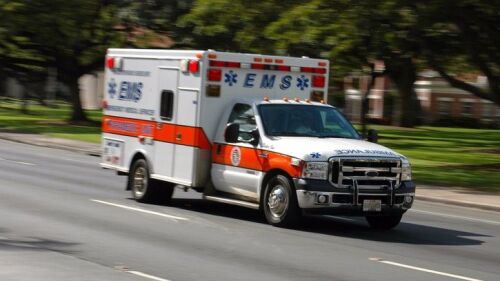
The EMS1 Ambulance Safety product category is a collection of information, product listings and resources for researching Ambulance Safety solutions.

The EMS1 Fleet Management product category features information and resources for researching EMS Fleet Management and Ambulance Fleet Management products and programs.

The EMS1 AEDs Automated External Defibrillators product category features information and product listings for researching AEDs, including defibrillators and data management solutions related to cardiac resuscitation..
The EMS1 EMS Automated CPR product category is a collection of products and information for researching Automated Cardiopulmonary Resuscitation (CPR) products. It covers a variety of Automated External Defibrillators (AEDs), training tools and other resuscitation products.

The EMS1 Defibrillators and Monitors product category is a collection of information, product listings, and resources for researching Defibrillators and Monitors used by EMS personnel to aid in their assessment and treatment of patients.

The EMS1 Personal Protective Equipment (PPE) product category features products and information for researching EMS PPE, covering apparel, helmets, gloves, boots, outerwear and other equipment needed for safe and efficient emergency response.

The EMS1 Patient Handling product category features products and information for researching EMS patient handling equipment, including stretchers, stair chairs, immobilization equipment, infection control and other tools for successful patient handling, lifting and moving.

The Software product category features information, product listings and resources for researching EMS software solutions and covers a variety of software products such as billing, field data and scheduling software, as well as computer-aided dispatch (CAD) and electronic patient care reporting (ePCR).
The EMS1 Billing Software product category features information and resources for researching Billing Software for your agency, including resources for data management software programs and systems available today.