

BREAKING NEWS


Joint training used a foam pit to simulate complex rescue scenarios, allowing Jackson County EMS and fire crews to practice safe patient care
A former Jefferson County paramedic filed a lawsuit alleging defamation, unfair hiring practices, retaliation and electronic eavesdropping, claiming her reporting of scope-of-practice concerns set off a chain of events
Under a policy that took effect in early November, Virginia Beach EMS now responds to most calls without lights and sirens, citing just a 2–3 minute time savings versus nearly doubled crash risk
Cleveland EMS officials report a growing number of assaults, with many cases resulting in minor charges, fueling concerns about safety, accountability and staffing
With new AMR base rates topping $5,000 and per-mile fees adding hundreds more, Spokane-area fire leaders and insurers are questioning the surge
EXCLUSIVES


SPECIAL REPORTS

UPCOMING & ON-DEMAND EVENTS

How to apply for grant funding for naloxone and opioid-reversal interventions and more

EMS training in bleeding control must incorporate mass casualty incident plans and drills as well as the need to prioritize patient triage by injury severity, transport priority and the type of treatment – layperson or medical professional – that is required.

An overview of the current evidence.

View this virtual tabletop webinar to help prepare you to respond to the next mass casualty incident in your jurisdiction

Data collected on evidence-based measures informs this discussion meant to inspire further quality improvement by pairing specific metrics with practical recommendations

Ward off burnout and turnover by increasing career resiliency and opportunity

5 ways to expand your options and forge your EMS career

Strategies to unilaterally reduce ED wait times and get back into service

Feel better by converting your key relationships from stress-producers to stress-reducers

Healthy habits to nurture provider resiliency, career longevity

Learn how balanced usability, access and security enable first responders to do their jobs more effectively wherever they are

Mission critical communications networks and Wireless WAN work in concert to enable first responders to make informed decisions and act quickly
INDUSTRY INSIGHTS

Protecting providers starts with a glove that won’t easily fail

Small changes to how EMS approaches airway management and ventilation can make big differences in OHCA outcomes

It starts with sharpening decision-making skills

A webinar reviews key cases where the ‘most important vital sign’ helped shape care

Opioid-settlement dollars are already flowing to EMS – see how to use them to fund secure, compliant narcotics storage


OFF DUTY

By following actionable steps before, during and after a vacation, first responders can embrace the therapeutic power of detachment and fortify their resilience

First responders can take advantage of Amazon Prime Day 2025 deals to stock up on professional tools, gear and essentials without stretching the budget

Celebrate EMS Week, holidays, graduations, promotions and more with these gifts medics will love

EMS lift assists on the rise
What you need to know about lift assist devices, risks, patient assessment and fall prevention

Scrolling can’t save you — but a conversation might

Easy tips for building a personal oasis at home where you can decompress, recharge and sustain your mental well-being

Understand how the experiences you have as a first responder can shape your relationships with your family

Discover top pet care solutions that keep your pets safe and comfortable while you’re on duty

You’ve got the requisite emergency response training, but do you have the knowledge to survive a lawsuit?

Where to buy EMS pants that can stand up to the demands of the job
PRODUCT RESEARCH CATEGORIES

The Community Paramedicine Software product category features information, product listings and resources for researching EMS Community Paramedicine Software solutions, including billing, field data and scheduling software as well as computer aided dispatch (CAD) and electronic patient care reporting (ePCR).
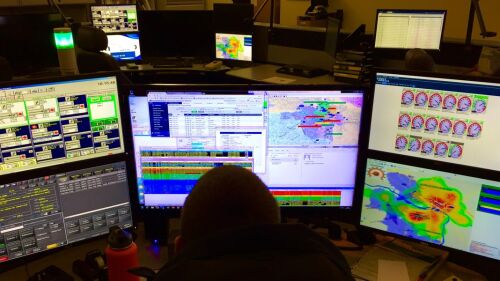
The Computer Aided Dispatch (CAD) product category features information, product listings and resources for researching CAD, including different systems, software and GIS mapping solutions for dispatch and emergency response.
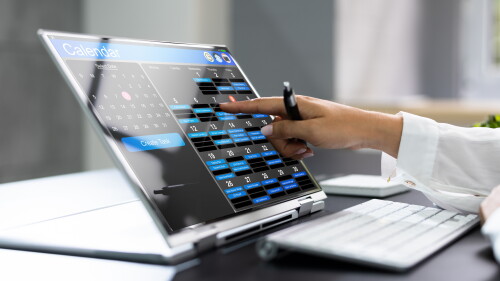
The EMS1 EMS Scheduling and Time Tracking Software product category features products and information for researching software, staff management and scheduling tools.
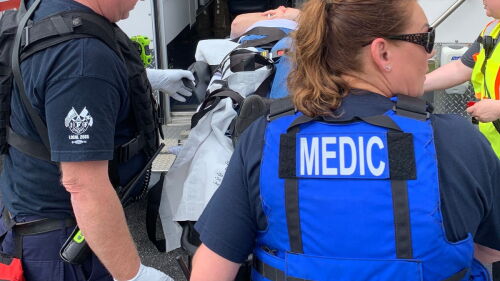
The EMS1 Incident Management product category features products and information for researching EMS incident management, including software and other tools for successful incident management.

The EMS1 EMS Body Camera product category is a collection of information, product listings and resources for researching Body-Worn Camera equipment and accessories for EMS providers.

The EMS1 Infection Control product category features products and information for researching EMS infection control, including antiseptic sprays, PPE, cleaners, respirator masks, and other tools to reduce risk of infection.
The EMS1 Airway Management product category features information, product listings and resources for researching airway management.
Training equipment and supplies are essential for preparing EMS providers to perform critical skills safely and effectively. This topic encompasses manikins, simulation devices, task trainers, and consumable materials used in skills labs and continuing education programs. Quality training tools support realistic scenarios, hands-on practice, and competency-based assessments. Keeping training equipment current and well-maintained ensures providers are ready for real-world emergencies. For tools used during actual patient care, see Diagnostic Equipment. Explore the articles in this topic to learn how training resources support EMS education and readiness.
EMS gear supports the safety, mobility, and performance of emergency medical personnel in the field. This topic includes uniforms, footwear, outerwear, bags, belts, and protective equipment designed for daily operations and challenging environments. Proper gear improves comfort, durability, and readiness while meeting safety and agency standards. Selecting the right equipment can help reduce fatigue and minimize the risk of injury during demanding calls. For tools used during patient assessment and treatment, see Diagnostic Equipment. Explore the articles in this topic to learn more about selecting and maintaining gear that meets the needs of today’s EMS professionals.
Diagnostic equipment enables EMS providers to assess patient conditions quickly and accurately in the field. This topic encompasses various tools, including pulse oximeters, ECG monitors, capnography devices, glucometers, and blood pressure monitors. Effective use of diagnostic equipment supports clinical decision-making, guides treatment, and improves patient outcomes. EMS professionals must stay informed about new technologies, device features, and maintenance requirements to ensure optimal performance. For related tools used during transport and care, see Ambulance Disposable Supplies. Browse the articles in this topic to learn how diagnostic equipment supports prehospital assessment and care delivery.