

BREAKING NEWS


“Dancing with Death” shares personal stories of fentanyl overdoses and addiction as organizers work to raise awareness
Shippensburg Area EMS uses a paramedic interceptor model to provide ALS across a wider area, but officials say the program creates reimbursement and funding challenges
Two off-duty medics and two nurses helped revive a 5-year-old boy after he fell into a resort pool in Lauderdale-by-the-Sea
Richmond University Medical Center was recognized for treating 20 patients, including many FDNY members
From workforce retention and leadership development to whole blood delivery by drone and the latest EMS workforce research, Pinnacle 2026 will tackle the challenges and opportunities shaping the next era of EMS
EXCLUSIVES


🎧 EMS One-Stop: Johnny and Roy inspired a generation. Now they’re telling EMS’s toughest truths
In this episode of EMS One-Stop, Rob Lawrence is joined by EMS pioneer Dr. Baxter Larmon and award-winning filmmaker Tom Putnam to discuss Into the Unknown: The Paramedics’ Journey.
SPECIAL REPORTS


UPCOMING & ON-DEMAND EVENTS

How technology can mitigate diversion and ensure compliance
The assessment sequence that could save lives — Are you using it?

Learn why outcome-based leadership is crucial for making meaningful changes in your agency and community

Discover why the departments that treat recruiting like marketing are winning — and how to follow their lead

Hear from EMS systems and leaders turning the promise of whole blood into a proven practice for trauma patients

A recent webinar reviewed its value to EMS and shared tips for ensuring accuracy

Watch and discover expert nutrition tips tailored for first responders for peak performance, faster recovery and sustained energy on the job

Exercises, techniques, and routines designed to maximize readiness, prevent injuries and boost resilience

How personal connections can strengthen on- and off-duty resilience

You face enough challenges in your career — this webinar will help you simplify your finances and secure your future with confidence

New solutions for higher standards of care

How AI and deployable communications are changing the field
INDUSTRY INSIGHTS


OFF DUTY
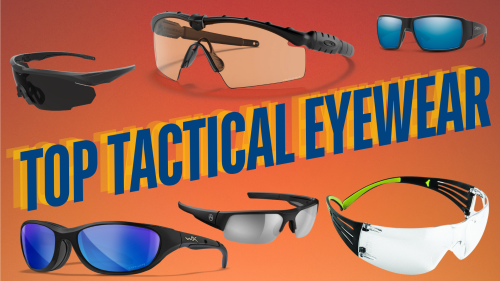
Find the perfect pair of tactical glasses with our expert recommendations, focusing on safety, optical clarity and advanced protection

Brian McCaffrey himself can remind your crew that “you go, we go”

Their quick thinking after a series of sudden deaths led to the discovery of cyanide-laced Tylenol — and a turning point in consumer safety

After surviving a rare and aggressive cancer, Dan Carr is recovering — and shining a light on the lifesaving power of organ donors like Stacey Holden

From renting out tools to real estate crowdfunding, here are 5 low-maintenance ways for first responders to build passive income

A chance diagnosis, a national call for help and a liver donated by a fellow firefighter

What DSM-5 recognition of moral injury means for EMS

Understanding the “warrior spirit” concept brings the answer into focus

Share your public safety pride with an ornament on your Christmas tree

These easy, versatile and Amazon-accessible finds make holiday decorating a breeze
PRODUCT RESEARCH CATEGORIES
Patient monitoring plays a critical role in prehospital care, enabling EMS providers to track vital signs, assess patient condition, and detect changes in real-time. Monitoring tools include ECG, pulse oximetry, capnography, and blood pressure tracking. These systems support timely decision-making during transport and handoff to hospital teams. Integrated patient monitoring improves documentation accuracy, care continuity, and patient outcomes. Training on device use and data interpretation is essential. EMS Software is another important topic that explores broader tools used in the field. Explore the articles below for guidance on patient monitoring equipment, protocols, and best practices.
Dispatch, call centers, and 911 systems are critical components of emergency response. These operations manage call intake, resource allocation, and communication between dispatchers and field units. Efficient systems and well-trained staff help ensure accurate information, quick response times, and coordinated incident management. Technology like CAD, AVL, and integrated radio systems enhances performance and situational awareness. Dispatch, call centers & 911 services must follow state and national standards for operations and training. Emergency Communications is another important topic focused on tools and infrastructure for responder connectivity. Explore the articles below for insights into staffing, protocols, and system improvements.
The EMS1 Capnography product category features products and information for researching capnography’s use by EMS personnel to aid in their assessment and treatment of patients in the prehospital environment. Click here to download a guide to normal/abnormal capnography waveforms.
Narcotics inventory management is essential for tracking controlled substances used by fire and EMS agencies. Effective systems help ensure accountability, prevent diversion, and maintain compliance with DEA regulations. Digital solutions support secure storage, chain-of-custody documentation, automated logging, and audit readiness. Proper narcotics inventory management also reduces errors and streamlines the restocking process. Agencies should establish clear policies, provide practical training, and maintain thorough oversight.

The EMS1 Medical Monitoring product category features products and information for researching EMS patient monitoring equipment, such as monitor/defibrillators, monitor mounts, AEDs, and other tools for successful patient assessment.

The CPR & Resuscitation product category features products and information for researching Cardiopulmonary Resuscitation (CPR) products.

The EMS1 Station product category features products and information for researching EMS facilities and supplies, and covers a variety of products and services, including furniture, chairs, couches, sofas and facility furniture.

The EMS1 Patient Handling product category features products and information for researching EMS patient handling equipment, including stretchers, stair chairs, immobilization equipment, infection control and other tools for successful patient handling, lifting and moving.
Training equipment and supplies are essential for preparing EMS providers to perform critical skills safely and effectively. This topic encompasses manikins, simulation devices, task trainers, and consumable materials used in skills labs and continuing education programs. Quality training tools support realistic scenarios, hands-on practice, and competency-based assessments. Keeping training equipment current and well-maintained ensures providers are ready for real-world emergencies. For tools used during actual patient care, see Diagnostic Equipment. Explore the articles in this topic to learn how training resources support EMS education and readiness.
EMS gear supports the safety, mobility, and performance of emergency medical personnel in the field. This topic includes uniforms, footwear, outerwear, bags, belts, and protective equipment designed for daily operations and challenging environments. Proper gear improves comfort, durability, and readiness while meeting safety and agency standards. Selecting the right equipment can help reduce fatigue and minimize the risk of injury during demanding calls. For tools used during patient assessment and treatment, see Diagnostic Equipment. Explore the articles in this topic to learn more about selecting and maintaining gear that meets the needs of today’s EMS professionals.