

BREAKING NEWS


Community Ambulance breaks ground on a larger dispatch and operations center in Henderson designed to expand EMS capacity, training and fleet maintenance
Police say a driver with a blood alcohol level more than twice the legal limit crossed into oncoming traffic and hit an ambulance responding to a call in Salinas
A suspected impaired driver going the wrong way triggered a seven-vehicle crash on Interstate 680 in Contra Costa County
An arbitrator found the city mishandled the investigation and fired the workers over a rule that didn’t exist
Three former Marion County firefighters admitted to attacking a rookie firefighter will serve probation under a plea deal
EXCLUSIVES


SPECIAL REPORTS


UPCOMING & ON-DEMAND EVENTS

Learn how Juvare can be a resource for tracking COVID-19 cases in real time

Learn how next-generation 911 will help responders navigate COVID-19

These new mitigation strategies help protect vulnerable people and prevent overwhelmed hospitals

The Center for Firefighter Injury Research & Safety Trends webinar will feature panelists discussing opportunities for strengthening EMS systems post-COVID-19

Identify the human factors – fatigue, stress, distraction – that can cause medical errors and change your organization’s culture

The webinar will discuss implications for local EMS leaders and how one state is preparing for a surge in demand for EMS services due to COVID-19

Communication, PPE and decontamination strategies highlighted the 4th FirstWatch and Paramedic Chiefs of Canada COVID-19 webinar

The two-day program will feature sessions on topics such as mental health, telemedicine and community paramedicine in rural areas

Outlining defined goals and metrics through strategic planning prevents medical errors from reaching patients in the prehospital environment

Learn how communities across the country are leveraging community paramedicine and mobile integrated health for better patient care

Public safety professionals of all ranks and positions can learn to convey messages of hope and resiliency

Behind the effort to update the 2009 National EMS Education Standards and what it means for the industry
INDUSTRY INSIGHTS

The treatment has evolved to be one of the most effective and evidence-based treatments for trauma

Whether in virtual reality or on a web browser, first responders can practice medical and behavioral health scenarios in a safe, realistic environment

A quick guide to the benefits and factors that should shape your choice

Cumbersome and costly testing methods have long challenged first responders – this product changes that

Work smarter, document faster and submit with confidence
WATCH NOW

From the chief’s office to the back of the ambulance, leadership behavior sets the standard


OFF DUTY

Whether you’re starting from scratch or looking to enhance your existing routine, these free tools can help you stay fit and ready for the demands of your job

How to prioritize your financial goals and put your overtime pay to good use

Keep your new tattoo safe, clean and vibrant with these nine tips tailored for tough environments

Which of these viral TikTok fitness trends will you try next?

There is more than one way to make an impact on your friends’ and neighbors’ wellbeing

Discover practical strategies for public safety leaders to stay grounded, manage stress and inspire their teams during life’s toughest challenges

The habits we learn to care for ourselves and others go with us off-duty into our personal lives

Get your stocking stuffers, favorites and more while the deals are still live!

Healthy, portable, delicious choices for quick fueling

Add on-the-go supplements, hydration and sleep aids to ward off winter illnesses
PRODUCT RESEARCH CATEGORIES

The Financial, Insurance & Legal Services product category features information and resources for researching Financial Services solutions, as well as insurance options and legal resources, and includes financial leasing options, various types of insurance, mortgage tools and retirement planning assistance.

The Software product category features information, product listings and resources for researching EMS software solutions and covers a variety of software products such as billing, field data and scheduling software, as well as computer-aided dispatch (CAD) and electronic patient care reporting (ePCR).

The EMS1 Station product category features products and information for researching EMS facilities and supplies, and covers a variety of products and services, including furniture, chairs, couches, sofas and facility furniture.

The EMS Education product category features information and resources for researching EMS education, including tools, products, news articles and more.

The EMS1 Patient Handling product category features products and information for researching EMS patient handling equipment, including stretchers, stair chairs, immobilization equipment, infection control and other tools for successful patient handling, lifting and moving.
Training simulators are key tools for building EMS skills through realistic, scenario-based learning. This topic covers high- and low-fidelity simulators used to practice airway management, trauma care, cardiac response, and other critical interventions. Simulators help EMS personnel improve decision-making, teamwork, and clinical performance in a controlled environment. They also support certification, recertification, and ongoing education. For additional resources used in EMS training, see Training Equipment & Supplies. Explore the articles in this topic to learn how simulators enhance the quality and effectiveness of EMS training programs.
Ambulance accessories play a key role in supporting EMS providers during emergency response, patient transport, and on-scene care. This topic covers essential tools and equipment such as oxygen storage systems, interior lighting, stretcher mounts, communication devices, and safety restraints. Reliable ambulance accessories help improve efficiency, protect patients and crew, and maintain readiness for all types of calls. Understanding what accessories are available—and how to use them—can support better outcomes in the field.
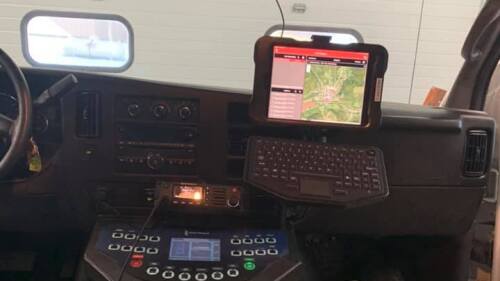
The EMS1 EMS Communications product category features products and information for researching EMS communications.

The EMS1 Vehicle Accessories product category is a collection of products and information for researching EMS Vehicle Accessories and covers a variety of products, including consoles, mounts, emergency lights and laptops.

The EMS1 Specialty Vehicles product category features products and information covering a variety of vehicles, including ambulances and command vehicles.