

BREAKING NEWS


Eleven people were taken to hospitals after a vehicle struck a dairy cow on Route 116 in Sunderland and then collided with a second vehicle
Rescue and EMS incidents accounted for nearly 60% of Lodi Fire Department calls last year as crews transitioned to ALS capabilities and prepared for a new regional ambulance partnership
The resignation of Santa Fe’s Alternative Response Unit manager leaves the program with five employees as concerns grow over staffing cuts, reduced call volume and the removal of EMS captains
Annapolis and Anne Arundel County officials are proposing a jointly funded peak-time medic unit to handle growing EMS demand
Tulsa’s partnership between the 911 center and mental health clinicians diverted thousands of crisis calls, saving time and reducing unnecessary emergency calls
EXCLUSIVES



SPECIAL REPORTS


UPCOMING & ON-DEMAND EVENTS

Airway management guru Kelly Grayson on when and how to escalate to a more invasive and secure airway, and when to elevate care

Explore ketamine uses and outcomes with purposeful data analysis

A crowd-sourced educational stress management experience with Mike Taigman and Angela Leath for cops, firefighters, EMTs, paramedics, 911 telecommunicators and correctional officers

Interoperable system solutions break data silos and support ongoing innovation

Harnessing technology to improve performance, simplify workflows and help the agency demonstrate value

Learn about the state of public safety and how your agency can best plan for short- and long-term operational challenges

Join Jay Fitch, PhD; and Anthony Minge, EdD, for an encore of John O’Leary’s powerful Pinnacle Keynote

Learn how advanced cardiac resuscitation techniques lead to increased survival in OOH cardiac arrest
Learn how to utilize hospital outcome data to evaluate chemical sedation, including ketamine, benzodiazepine and anti-psychotics

A firsthand perspective on COVID-19 in EMS and fire and how data can help shape your agency’s response

Webinar: Understanding the second victim phenomenon; tips for developing a successful peer support program

Looking to build confidence and skills in treating pediatric cardiac arrest patients? We’ve got you covered.
INDUSTRY INSIGHTS

Work smarter, document faster and submit with confidence
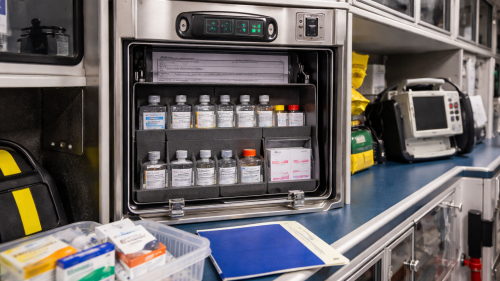
What the rule changes mean for EMS and how agencies can reduce risk, lighten administrative burden and support better patient care

Survey data reveals why resilient communications are becoming essential to response effectiveness, personnel safety and patient care

The treatment has evolved to be one of the most effective and evidence-based treatments for trauma

Cumbersome and costly testing methods have long challenged first responders – this product changes that
WATCH NOW

Discover practical ways to build simple movement into your day to reduce injury risk, improve resilience and help extend your career


OFF DUTY

The habit? Working out with your dog in ways that support movement, recovery and routine

The uniform doesn’t come with a manual for pet ownership — this might help
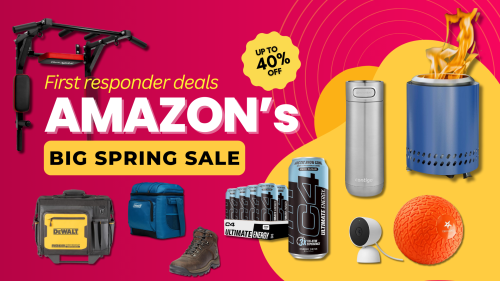
Save up to 40% off on Nest, Coleman, DEWALT, CRAFTSMAN, Contigo, Ninja, Cuisinart & more

Tired of aching feet? Check out these expert-backed solutions to keep you moving, stay pain-free and perform at your best
Short on time and space? Check out these products to help get a workout in no matter where you are in your day

Books
In a moment of global uncertainty, first responders and frontline workers stepped up when humanity needed them most; these are their stories.
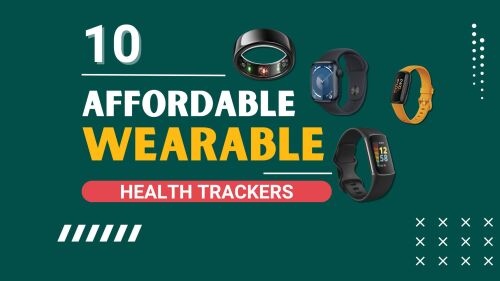
Hit your fitness goals without breaking the bank

Using an online tax preparation service or working with a public safety tax preparation expert might save you time and money. Here’s what to know.

Every little bit helps; find out which fitness clubs give first responders the most bang for their buck

It could take more than a year to adjust benefits and disburse retroactive payments following the passage of the Social Security Fairness Act — here’s how to prepare
PRODUCT RESEARCH CATEGORIES

The Financial, Insurance & Legal Services product category features information and resources for researching Financial Services solutions, as well as insurance options and legal resources, and includes financial leasing options, various types of insurance, mortgage tools and retirement planning assistance.

The Software product category features information, product listings and resources for researching EMS software solutions and covers a variety of software products such as billing, field data and scheduling software, as well as computer-aided dispatch (CAD) and electronic patient care reporting (ePCR).

The EMS1 Station product category features products and information for researching EMS facilities and supplies, and covers a variety of products and services, including furniture, chairs, couches, sofas and facility furniture.

The EMS Education product category features information and resources for researching EMS education, including tools, products, news articles and more.

The EMS1 Patient Handling product category features products and information for researching EMS patient handling equipment, including stretchers, stair chairs, immobilization equipment, infection control and other tools for successful patient handling, lifting and moving.
Training simulators are key tools for building EMS skills through realistic, scenario-based learning. This topic covers high- and low-fidelity simulators used to practice airway management, trauma care, cardiac response, and other critical interventions. Simulators help EMS personnel improve decision-making, teamwork, and clinical performance in a controlled environment. They also support certification, recertification, and ongoing education. For additional resources used in EMS training, see Training Equipment & Supplies. Explore the articles in this topic to learn how simulators enhance the quality and effectiveness of EMS training programs.
Ambulance accessories play a key role in supporting EMS providers during emergency response, patient transport, and on-scene care. This topic covers essential tools and equipment such as oxygen storage systems, interior lighting, stretcher mounts, communication devices, and safety restraints. Reliable ambulance accessories help improve efficiency, protect patients and crew, and maintain readiness for all types of calls. Understanding what accessories are available—and how to use them—can support better outcomes in the field.
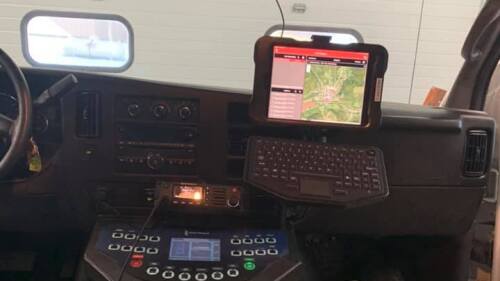
The EMS1 EMS Communications product category features products and information for researching EMS communications.

The EMS1 Vehicle Accessories product category is a collection of products and information for researching EMS Vehicle Accessories and covers a variety of products, including consoles, mounts, emergency lights and laptops.

The EMS1 Specialty Vehicles product category features products and information covering a variety of vehicles, including ambulances and command vehicles.