

BREAKING NEWS


Eight first responders and mill workers remain hospitalized after a fire and explosion at Robbins Lumber that killed a Morrill firefighter
Hall Ambulance highlighted its 1975 launch of paramedic-level care and its role supporting President Gerald Ford’s visit
Connecticut EMS crews are using whole blood transfusions in the field to improve survival for critically injured trauma patients.
Kentucky State Police said the driver was not wearing a seatbelt when his truck crossed the center line and struck a Perry County ambulance
The funding includes $291.6 million for Assistance to Firefighters Grants, $324 million for SAFER grants and $32.4 million for Fire Prevention and Safety grants, with applications open from May 19 to June 22
EXCLUSIVES


SPECIAL REPORTS


UPCOMING & ON-DEMAND EVENTS

With turnover among EMS hovering at 25% per year and costing more than $7700 per paramedic, data-driven strategies can help you improve employee retention.

Airway management guru Kelly Grayson on when and how to escalate to a more invasive and secure airway, and when to elevate care

Explore ketamine uses and outcomes with purposeful data analysis

A crowd-sourced educational stress management experience with Mike Taigman and Angela Leath for cops, firefighters, EMTs, paramedics, 911 telecommunicators and correctional officers

Interoperable system solutions break data silos and support ongoing innovation

Harnessing technology to improve performance, simplify workflows and help the agency demonstrate value

Learn about the state of public safety and how your agency can best plan for short- and long-term operational challenges

Join Jay Fitch, PhD; and Anthony Minge, EdD, for an encore of John O’Leary’s powerful Pinnacle Keynote

Learn how advanced cardiac resuscitation techniques lead to increased survival in OOH cardiac arrest
Learn how to utilize hospital outcome data to evaluate chemical sedation, including ketamine, benzodiazepine and anti-psychotics

A firsthand perspective on COVID-19 in EMS and fire and how data can help shape your agency’s response

Webinar: Understanding the second victim phenomenon; tips for developing a successful peer support program
INDUSTRY INSIGHTS

The treatment has evolved to be one of the most effective and evidence-based treatments for trauma

A quick guide to the benefits and factors that should shape your choice

Cumbersome and costly testing methods have long challenged first responders – this product changes that

Work smarter, document faster and submit with confidence
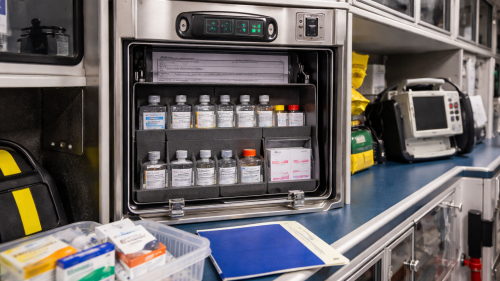
What the rule changes mean for EMS and how agencies can reduce risk, lighten administrative burden and support better patient care
WATCH NOW

Self-awareness is the uncomfortable mirror that exposes the habits keeping you stuck — and it’s the first step toward reclaiming your direction


OFF DUTY

The uniform doesn’t come with a manual for pet ownership — this might help
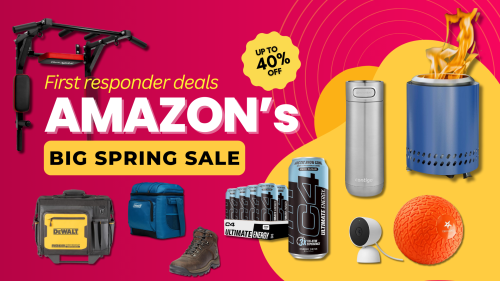
Save up to 40% off on Nest, Coleman, DEWALT, CRAFTSMAN, Contigo, Ninja, Cuisinart & more

Tired of aching feet? Check out these expert-backed solutions to keep you moving, stay pain-free and perform at your best
Short on time and space? Check out these products to help get a workout in no matter where you are in your day

Books
In a moment of global uncertainty, first responders and frontline workers stepped up when humanity needed them most; these are their stories.
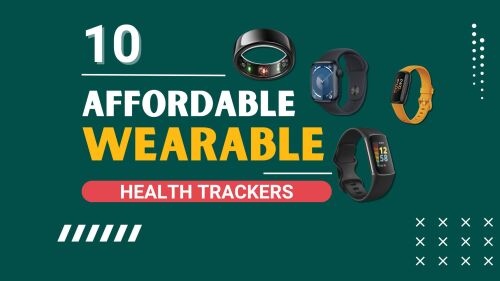
Hit your fitness goals without breaking the bank

Using an online tax preparation service or working with a public safety tax preparation expert might save you time and money. Here’s what to know.

Every little bit helps; find out which fitness clubs give first responders the most bang for their buck

It could take more than a year to adjust benefits and disburse retroactive payments following the passage of the Social Security Fairness Act — here’s how to prepare

From coffee, to healthy snacks and hydration options, make sure your EMS crews have everything they need to recharge between shifts with cost-saving subscription options
PRODUCT RESEARCH CATEGORIES

The Financial, Insurance & Legal Services product category features information and resources for researching Financial Services solutions, as well as insurance options and legal resources, and includes financial leasing options, various types of insurance, mortgage tools and retirement planning assistance.

The Software product category features information, product listings and resources for researching EMS software solutions and covers a variety of software products such as billing, field data and scheduling software, as well as computer-aided dispatch (CAD) and electronic patient care reporting (ePCR).

The EMS1 Station product category features products and information for researching EMS facilities and supplies, and covers a variety of products and services, including furniture, chairs, couches, sofas and facility furniture.

The EMS Education product category features information and resources for researching EMS education, including tools, products, news articles and more.

The EMS1 Patient Handling product category features products and information for researching EMS patient handling equipment, including stretchers, stair chairs, immobilization equipment, infection control and other tools for successful patient handling, lifting and moving.
Training equipment and supplies are essential for preparing EMS providers to perform critical skills safely and effectively. This topic encompasses manikins, simulation devices, task trainers, and consumable materials used in skills labs and continuing education programs. Quality training tools support realistic scenarios, hands-on practice, and competency-based assessments. Keeping training equipment current and well-maintained ensures providers are ready for real-world emergencies. For tools used during actual patient care, see Diagnostic Equipment. Explore the articles in this topic to learn how training resources support EMS education and readiness.
EMS gear supports the safety, mobility, and performance of emergency medical personnel in the field. This topic includes uniforms, footwear, outerwear, bags, belts, and protective equipment designed for daily operations and challenging environments. Proper gear improves comfort, durability, and readiness while meeting safety and agency standards. Selecting the right equipment can help reduce fatigue and minimize the risk of injury during demanding calls. For tools used during patient assessment and treatment, see Diagnostic Equipment. Explore the articles in this topic to learn more about selecting and maintaining gear that meets the needs of today’s EMS professionals.
Diagnostic equipment enables EMS providers to assess patient conditions quickly and accurately in the field. This topic encompasses various tools, including pulse oximeters, ECG monitors, capnography devices, glucometers, and blood pressure monitors. Effective use of diagnostic equipment supports clinical decision-making, guides treatment, and improves patient outcomes. EMS professionals must stay informed about new technologies, device features, and maintenance requirements to ensure optimal performance. For related tools used during transport and care, see Ambulance Disposable Supplies. Browse the articles in this topic to learn how diagnostic equipment supports prehospital assessment and care delivery.
Training simulators are key tools for building EMS skills through realistic, scenario-based learning. This topic covers high- and low-fidelity simulators used to practice airway management, trauma care, cardiac response, and other critical interventions. Simulators help EMS personnel improve decision-making, teamwork, and clinical performance in a controlled environment. They also support certification, recertification, and ongoing education. For additional resources used in EMS training, see Training Equipment & Supplies. Explore the articles in this topic to learn how simulators enhance the quality and effectiveness of EMS training programs.
Ambulance accessories play a key role in supporting EMS providers during emergency response, patient transport, and on-scene care. This topic covers essential tools and equipment such as oxygen storage systems, interior lighting, stretcher mounts, communication devices, and safety restraints. Reliable ambulance accessories help improve efficiency, protect patients and crew, and maintain readiness for all types of calls. Understanding what accessories are available—and how to use them—can support better outcomes in the field.