

BREAKING NEWS


The quarterly index from PWW|AG and EMS|MC highlights interfacility revenue trends, Medicare reimbursement and other data from 1,500 EMS agencies
Medical experts say the disease risk from a Baltimore County paramedic’s alleged contamination of co-workers’ food and items is minimal, but firefighters report significant anxiety and uncertainty
Wichita police say a man tried to break into multiple EMS vehicles, forced his way into an apartment to film firefighters performing CPR on a patient, then stole a department vehicle
A damaged underground gas line in Ashland triggered a powerful explosion and fire
EMS1 invites you to share your voice — calls that changed you, personal stories of challenges and perseverance, and unique reflections on the EMS life
EXCLUSIVES


SPECIAL REPORTS


UPCOMING & ON-DEMAND EVENTS
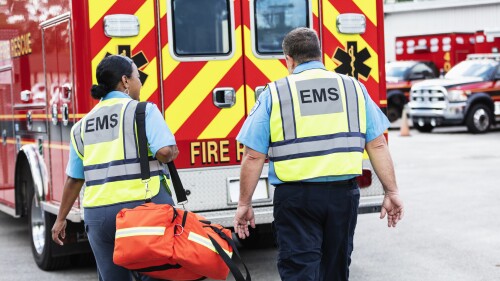
Empower personnel to step in early — before issues escalate

Lessons from agencies mastering real-time collaboration under pressure

End the burnout cycle with proven initiatives to create a more sustainable EMS culture

This informative webinar will provide key information on how two public safety agencies (one police and one fire) funded comprehensive smartphone programs that provided issued devices to all personnel.

Hear from survey investigators as they share data-driven strategies to improve EMS documentation across agencies

Get the insights, expert advice and tools to help your agency score big on grants

How technology can mitigate diversion and ensure compliance

The assessment sequence that could save lives — Are you using it?
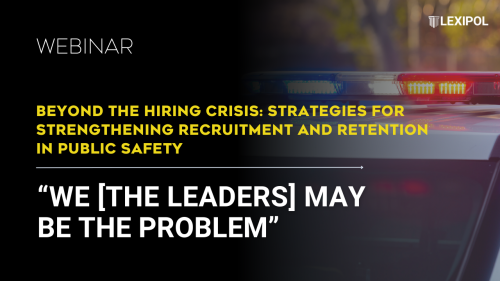
Learn how public safety agencies can overcome recruitment roadblocks with real-world strategies rooted in leadership, transparency and cultural change

Learn why outcome-based leadership is crucial for making meaningful changes in your agency and community

Discover why the departments that treat recruiting like marketing are winning — and how to follow their lead

Hear from EMS systems and leaders turning the promise of whole blood into a proven practice for trauma patients
INDUSTRY INSIGHTS

It starts with sharpening decision-making skills

A webinar reviews key cases where the ‘most important vital sign’ helped shape care

Small changes to how EMS approaches airway management and ventilation can make big differences in OHCA outcomes

The federal government’s 43-day interruption underscored the importance of having a robust billing solution

Opioid-settlement dollars are already flowing to EMS – see how to use them to fund secure, compliant narcotics storage
WATCH NOW

After a Connecticut EMT abducted a colleague twice, calls intensify for background checks and systemic hiring reforms in EMS


OFF DUTY

Know when to stop, how much assistance to provide and how to hand off patient care to responding authorities

Carry a small personal aid kit with you at all times to treat the aches, cuts and scrapes you are most likely to experience yourself or need to treat in friends and family
What ePCR phrases or terms do you use to describe everyday events, injury or illness while you are off-duty?
Looking for a gift, a weekend read, or a resource? Check out our recent favorites
Getting an EMS tattoo? We can’t stop you, but try not to make these mistakes

According to EMS1 data, EMTs are 1.23 times more likely than other consumers to have a credit card. Are you selecting the correct one?

EMS leaders and field personnel need to intensify the conversation about this very serious issue
PRODUCT RESEARCH CATEGORIES

The Financial, Insurance & Legal Services product category features information and resources for researching Financial Services solutions, as well as insurance options and legal resources, and includes financial leasing options, various types of insurance, mortgage tools and retirement planning assistance.

The Software product category features information, product listings and resources for researching EMS software solutions and covers a variety of software products such as billing, field data and scheduling software, as well as computer-aided dispatch (CAD) and electronic patient care reporting (ePCR).

The EMS1 Station product category features products and information for researching EMS facilities and supplies, and covers a variety of products and services, including furniture, chairs, couches, sofas and facility furniture.

The EMS Education product category features information and resources for researching EMS education, including tools, products, news articles and more.

The EMS1 Patient Handling product category features products and information for researching EMS patient handling equipment, including stretchers, stair chairs, immobilization equipment, infection control and other tools for successful patient handling, lifting and moving.
EMS gear supports the safety, mobility, and performance of emergency medical personnel in the field. This topic includes uniforms, footwear, outerwear, bags, belts, and protective equipment designed for daily operations and challenging environments. Proper gear improves comfort, durability, and readiness while meeting safety and agency standards. Selecting the right equipment can help reduce fatigue and minimize the risk of injury during demanding calls. For tools used during patient assessment and treatment, see Diagnostic Equipment. Explore the articles in this topic to learn more about selecting and maintaining gear that meets the needs of today’s EMS professionals.
Training simulators are key tools for building EMS skills through realistic, scenario-based learning. This topic covers high- and low-fidelity simulators used to practice airway management, trauma care, cardiac response, and other critical interventions. Simulators help EMS personnel improve decision-making, teamwork, and clinical performance in a controlled environment. They also support certification, recertification, and ongoing education. For additional resources used in EMS training, see Training Equipment & Supplies. Explore the articles in this topic to learn how simulators enhance the quality and effectiveness of EMS training programs.
Ambulance accessories play a key role in supporting EMS providers during emergency response, patient transport, and on-scene care. This topic covers essential tools and equipment such as oxygen storage systems, interior lighting, stretcher mounts, communication devices, and safety restraints. Reliable ambulance accessories help improve efficiency, protect patients and crew, and maintain readiness for all types of calls. Understanding what accessories are available—and how to use them—can support better outcomes in the field.
Patient care is the foundation of EMS, encompassing the assessment, treatment, and transport of individuals in medical or trauma emergencies. This topic covers essential practices, including airway management, bleeding control, medication administration, and patient monitoring. It also includes protocols, documentation, and communication with receiving facilities. Delivering effective patient care requires clinical knowledge, critical thinking, and adherence to current guidelines. For tools that support care delivery in the field, see Diagnostic Equipment. Explore the articles in this topic to stay informed on essential skills and strategies for high-quality EMS patient care.
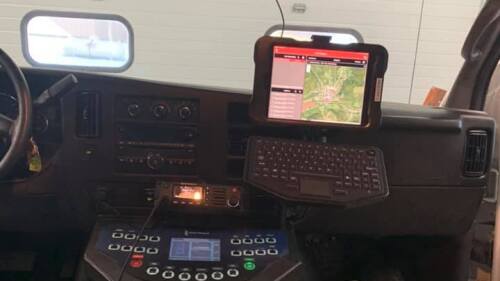
The EMS1 EMS Communications product category features products and information for researching EMS communications.