

BREAKING NEWS


Improperly mixed cleaning chemicals triggered a temporary evacuation at The Gardens Skilled Nursing and Rehabilitation center in Colorado Springs
After Exeter Hospital ended its service, the Plaistow Fire Department took over a regional ALS paramedic intercept program, cutting response times and improving emergency care
Officials allege Mercy Medical Center failed to meet staffing requirements for a Level II Trauma Center, citing shortages before and after its acquisition by Prime Healthcare
Through realistic, high-intensity training, Simulation in Motion–Montana equips EMTs and paramedics with hands-on skills to improve emergency care
Six months after a deal to ease fines, AMR still fails to meet emergency response time goals in Multnomah County
EXCLUSIVES


SPECIAL REPORTS


UPCOMING & ON-DEMAND EVENTS
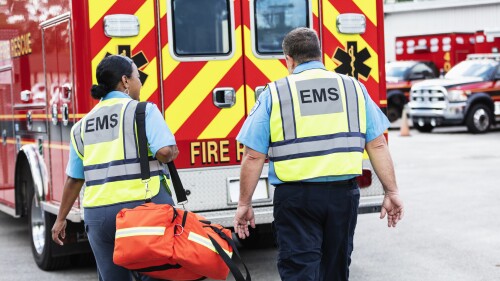
Empower personnel to step in early — before issues escalate
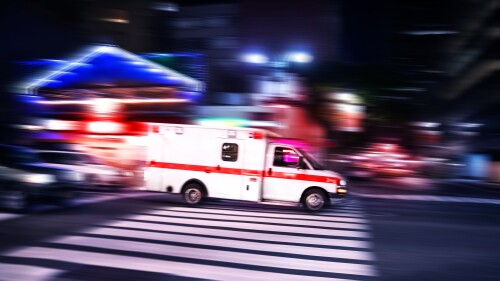
Lessons from agencies mastering real-time collaboration under pressure

End the burnout cycle with proven initiatives to create a more sustainable EMS culture

This informative webinar will provide key information on how two public safety agencies (one police and one fire) funded comprehensive smartphone programs that provided issued devices to all personnel.

Hear from survey investigators as they share data-driven strategies to improve EMS documentation across agencies

Get the insights, expert advice and tools to help your agency score big on grants

How technology can mitigate diversion and ensure compliance

The assessment sequence that could save lives — Are you using it?
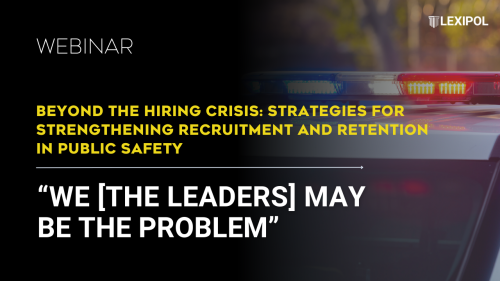
Learn how public safety agencies can overcome recruitment roadblocks with real-world strategies rooted in leadership, transparency and cultural change

Learn why outcome-based leadership is crucial for making meaningful changes in your agency and community

Discover why the departments that treat recruiting like marketing are winning — and how to follow their lead

Hear from EMS systems and leaders turning the promise of whole blood into a proven practice for trauma patients
INDUSTRY INSIGHTS

It starts with sharpening decision-making skills

A webinar reviews key cases where the ‘most important vital sign’ helped shape care


Small changes to how EMS approaches airway management and ventilation can make big differences in OHCA outcomes

Opioid-settlement dollars are already flowing to EMS – see how to use them to fund secure, compliant narcotics storage
WATCH NOW

Being a mentor doesn’t come with a title bump or easier hours — but its impact on the next generation of clinicians makes it one of the most powerful roles in EMS


OFF DUTY

The off-duty EMS1 topic highlights off-duty incidents involving EMS personnel, off-duty passions of EMS providers and other industry-relevant information related to off-duty activities.

Their quick thinking after a series of sudden deaths led to the discovery of cyanide-laced Tylenol — and a turning point in consumer safety

After surviving a rare and aggressive cancer, Dan Carr is recovering — and shining a light on the lifesaving power of organ donors like Stacey Holden

From renting out tools to real estate crowdfunding, here are 5 low-maintenance ways for first responders to build passive income

A chance diagnosis, a national call for help and a liver donated by a fellow firefighter

What DSM-5 recognition of moral injury means for EMS

Understanding the “warrior spirit” concept brings the answer into focus

Share your public safety pride with an ornament on your Christmas tree

These easy, versatile and Amazon-accessible finds make holiday decorating a breeze

From clever socks to statement mugs, we’ve got your quick-gift needs covered
PRODUCT RESEARCH CATEGORIES
Training simulators are key tools for building EMS skills through realistic, scenario-based learning. This topic covers high- and low-fidelity simulators used to practice airway management, trauma care, cardiac response, and other critical interventions. Simulators help EMS personnel improve decision-making, teamwork, and clinical performance in a controlled environment. They also support certification, recertification, and ongoing education. For additional resources used in EMS training, see Training Equipment & Supplies. Explore the articles in this topic to learn how simulators enhance the quality and effectiveness of EMS training programs.
The EMS1 EMS Automated CPR product category is a collection of products and information for researching Automated Cardiopulmonary Resuscitation (CPR) products. It covers a variety of Automated External Defibrillators (AEDs), training tools and other resuscitation products.

The Online Training product category features products and information for researching EMS online training and covering a variety of products and services, including training programs/courses available online.

The CPR & Resuscitation product category features products and information for researching Cardiopulmonary Resuscitation (CPR) products.

The Financial, Insurance & Legal Services product category features information and resources for researching Financial Services solutions, as well as insurance options and legal resources, and includes financial leasing options, various types of insurance, mortgage tools and retirement planning assistance.

The Software product category features information, product listings and resources for researching EMS software solutions and covers a variety of software products such as billing, field data and scheduling software, as well as computer-aided dispatch (CAD) and electronic patient care reporting (ePCR).

The EMS1 Station product category features products and information for researching EMS facilities and supplies, and covers a variety of products and services, including furniture, chairs, couches, sofas and facility furniture.

The EMS Education product category features information and resources for researching EMS education, including tools, products, news articles and more.

The EMS1 Patient Handling product category features products and information for researching EMS patient handling equipment, including stretchers, stair chairs, immobilization equipment, infection control and other tools for successful patient handling, lifting and moving.
Training equipment and supplies are essential for preparing EMS providers to perform critical skills safely and effectively. This topic encompasses manikins, simulation devices, task trainers, and consumable materials used in skills labs and continuing education programs. Quality training tools support realistic scenarios, hands-on practice, and competency-based assessments. Keeping training equipment current and well-maintained ensures providers are ready for real-world emergencies. For tools used during actual patient care, see Diagnostic Equipment. Explore the articles in this topic to learn how training resources support EMS education and readiness.