

BREAKING NEWS


Many clinicians are already using Compact-state licensure to support interstate work, disaster response and cross-border service
Eight first responders and mill workers remain hospitalized after a fire and explosion at Robbins Lumber that killed a Morrill firefighter
Hall Ambulance highlighted its 1975 launch of paramedic-level care and its role supporting President Gerald Ford’s visit
Connecticut EMS crews are using whole blood transfusions in the field to improve survival for critically injured trauma patients.
Kentucky State Police said the driver was not wearing a seatbelt when his truck crossed the center line and struck a Perry County ambulance
EXCLUSIVES


SPECIAL REPORTS


UPCOMING & ON-DEMAND EVENTS

What if scheduling and finalizing a transport could be done in 60 seconds?

Learn common triggers, assessment findings, and the different phases and classifications of seizures

Key findings from the Verizon Frontline Public Safety Communications survey

A detailed look at the actions leaders can take to implement a systems-level plan to protect their members

Adopting programs to improve EMS service delivery and agency culture

Takeaways from Dr. Tan and Chief Wylie on training and communicating to deploy rescue task forces, unified command and casualty collection points

Wolfberg and Wirth on how to avoid legal pitfalls

Saving lives with coordinated trauma care through pre-planning, training and relationship building

Join guests Ed Racht and Rhonda Kelly in this episode of Inside EMS

This informative webinar will provide key information on how two public safety agencies (one police and one fire) funded comprehensive smartphone programs that provided issued devices to all personnel.

This webinar covers stroke assessment, recognition and timely decision-making as to where to transport a patient for intervention

Real-world, practical methods for identification, assessment and field treatment of life-threatening sepsis
INDUSTRY INSIGHTS

Survey data reveals why resilient communications are becoming essential to response effectiveness, personnel safety and patient care

The treatment has evolved to be one of the most effective and evidence-based treatments for trauma

Cumbersome and costly testing methods have long challenged first responders – this product changes that

A quick guide to the benefits and factors that should shape your choice

Work smarter, document faster and submit with confidence
WATCH NOW

From five-alarm fires to pay parity battles, Bonsignore brings calm credibility to one of the toughest jobs in public safety


OFF DUTY

When Eric Duckwall’s dog bolted during fireworks, it sparked a frantic search — and a new mission

It’s not just about strength or stamina; it’s about grit, mental toughness, and using your body in new ways

On National Punctuation Day, test your knowledge of punctuation

Researchers have identified four common sleep disturbances experienced by public safety personnel

Discover how providers can improve sleep and fight fatigue with simple changes like air filters, blackout curtains and humidity control

True-to-life emergency response finally gets the Hollywood treatment it deserves

Dive into a curated collection of must-read public safety books, from thrilling accounts and leadership lessons from the front lines, to read-aloud children’s favorites

Books
Explore the books EMS leaders, EMS1 contributors and experts recommend to advance your career, build leadership skills and inspire the next generation

How new federal tax rules could affect your paycheck, deductions and long-term savings

From paddleboarding and kayaking to fishing in remote areas, discover the gear, training and self-defense strategies outdoor enthusiasts need to stay safe on the water
PRODUCT RESEARCH CATEGORIES
Diagnostic equipment enables EMS providers to assess patient conditions quickly and accurately in the field. This topic encompasses various tools, including pulse oximeters, ECG monitors, capnography devices, glucometers, and blood pressure monitors. Effective use of diagnostic equipment supports clinical decision-making, guides treatment, and improves patient outcomes. EMS professionals must stay informed about new technologies, device features, and maintenance requirements to ensure optimal performance. For related tools used during transport and care, see Ambulance Disposable Supplies. Browse the articles in this topic to learn how diagnostic equipment supports prehospital assessment and care delivery.
Patient care is the foundation of EMS, encompassing the assessment, treatment, and transport of individuals in medical or trauma emergencies. This topic covers essential practices, including airway management, bleeding control, medication administration, and patient monitoring. It also includes protocols, documentation, and communication with receiving facilities. Delivering effective patient care requires clinical knowledge, critical thinking, and adherence to current guidelines. For tools that support care delivery in the field, see Diagnostic Equipment. Explore the articles in this topic to stay informed on essential skills and strategies for high-quality EMS patient care.
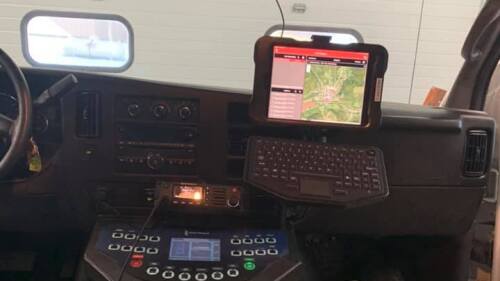
The EMS1 EMS Communications product category features products and information for researching EMS communications.

The EMS1 Vehicle Accessories product category is a collection of products and information for researching EMS Vehicle Accessories and covers a variety of products, including consoles, mounts, emergency lights and laptops.

The EMS1 Specialty Vehicles product category features products and information covering a variety of vehicles, including ambulances and command vehicles.

The EMS1 Ambulances product category features information, product listings and resources for researching ambulances.
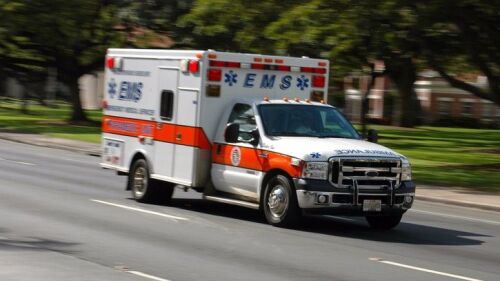
The EMS1 Ambulance Safety product category is a collection of information, product listings and resources for researching Ambulance Safety solutions.

The EMS1 Fleet Management product category features information and resources for researching EMS Fleet Management and Ambulance Fleet Management products and programs.

The EMS1 Radios product category features products and information for researching EMS radios, covering communications equipment, communications interoperability, wireless handsets and EMS radio-related equipment.
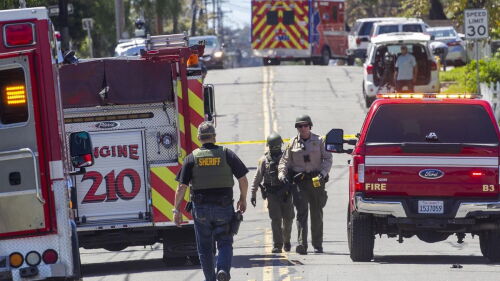
The EMS1 Communications Interoperability product category features products and information for researching Communications Interoperability solutions, including interfaces, P25 radios and other mobile and stationary technologies.