

BREAKING NEWS


Advocates and lawmakers warn staffing shortages at the World Trade Center Health Program are causing treatment delays for sick 9/11 responders and survivors
Programs that send mental health clinicians instead of police to crisis calls are expanding nationwide, but inconsistent funding and limited Medicaid reimbursement threaten their long-term stability
The new Quick Response Unit designation allows Ferndale firefighters to respond to medical calls and reduce long ambulance wait times in their rural community
The new free service notifies trained Danville community members when someone nearby is in cardiac arrest, helping start CPR and locate an AED
Therapy dogs from the nonprofit Go Team give first responders, dispatchers a chance to decompress from the emotional toll of emergency calls
EXCLUSIVES


SPECIAL REPORTS


UPCOMING & ON-DEMAND EVENTS

What the rule changes mean for EMS and how agencies can reduce risk, lighten administrative burden and support better patient care
Harnessing next-generation clinical guidance to reduce chaos and enhance confidence for EMS providers
Empower personnel to step in early — before issues escalate

Lessons from agencies mastering real-time collaboration under pressure

End the burnout cycle with proven initiatives to create a more sustainable EMS culture

This informative webinar will provide key information on how two public safety agencies (one police and one fire) funded comprehensive smartphone programs that provided issued devices to all personnel.

Hear from survey investigators as they share data-driven strategies to improve EMS documentation across agencies

Get the insights, expert advice and tools to help your agency score big on grants

How technology can mitigate diversion and ensure compliance

The assessment sequence that could save lives — Are you using it?
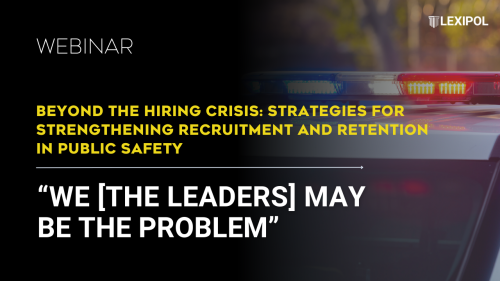
Learn how public safety agencies can overcome recruitment roadblocks with real-world strategies rooted in leadership, transparency and cultural change

Learn why outcome-based leadership is crucial for making meaningful changes in your agency and community
INDUSTRY INSIGHTS

From unit assignment to nonemergent scheduling, this software solution can help call centers and EMS agencies manage staffing shortages and growing demand

Turnover in your billing office may reveal where reimbursement relies on memory instead of documented process

A unified technology suite can bring big advantages in a tight labor environment, including improved revenue

The final rule has been released – here’s what a veteran enforcement agent finds most important about it

How NarcBox can help EMS agencies prepare for stricter controlled-substance accountability
WATCH NOW

Upgrades give rural paramedic students a more realistic environment for hands-on decision-making


OFF DUTY

Enhance your appreciation of the outdoors with innovative tech that makes hiking and camping smoother, safer and even more enjoyable

A range finder is invaluable for finding the exact distance to the target so you know where to aim while target shooting or hunting

Hack your way to daily healthy meals with any of these meal delivery and meal kit services

Amid the backyard barbecues and price-slashing sales, thousands across the country are remembering their loved ones

Stay safe under the sun with these 10 expert tips on preventing and treating sunburn

Enhance your workout with these fitness tools, perfect for building strength, coordination and core stability

From classic to high-tech, find the perfect jump rope to match your fitness goals

Practical upgrades like security bars, window films and wireless cameras can enhance your home’s protection without overspending

From multi-tools to night vision glasses, we’ve got your road trip essentials covered

When it comes to exercise, supportive equipment is non-negotiable
PRODUCT RESEARCH CATEGORIES
Training simulators are key tools for building EMS skills through realistic, scenario-based learning. This topic covers high- and low-fidelity simulators used to practice airway management, trauma care, cardiac response, and other critical interventions. Simulators help EMS personnel improve decision-making, teamwork, and clinical performance in a controlled environment. They also support certification, recertification, and ongoing education. For additional resources used in EMS training, see Training Equipment & Supplies. Explore the articles in this topic to learn how simulators enhance the quality and effectiveness of EMS training programs.
The EMS1 EMS Automated CPR product category is a collection of products and information for researching Automated Cardiopulmonary Resuscitation (CPR) products. It covers a variety of Automated External Defibrillators (AEDs), training tools and other resuscitation products.

The Online Training product category features products and information for researching EMS online training and covering a variety of products and services, including training programs/courses available online.

The CPR & Resuscitation product category features products and information for researching Cardiopulmonary Resuscitation (CPR) products.

The Financial, Insurance & Legal Services product category features information and resources for researching Financial Services solutions, as well as insurance options and legal resources, and includes financial leasing options, various types of insurance, mortgage tools and retirement planning assistance.

The Software product category features information, product listings and resources for researching EMS software solutions and covers a variety of software products such as billing, field data and scheduling software, as well as computer-aided dispatch (CAD) and electronic patient care reporting (ePCR).

The EMS1 Station product category features products and information for researching EMS facilities and supplies, and covers a variety of products and services, including furniture, chairs, couches, sofas and facility furniture.

The EMS Education product category features information and resources for researching EMS education, including tools, products, news articles and more.

The EMS1 Patient Handling product category features products and information for researching EMS patient handling equipment, including stretchers, stair chairs, immobilization equipment, infection control and other tools for successful patient handling, lifting and moving.
Training equipment and supplies are essential for preparing EMS providers to perform critical skills safely and effectively. This topic encompasses manikins, simulation devices, task trainers, and consumable materials used in skills labs and continuing education programs. Quality training tools support realistic scenarios, hands-on practice, and competency-based assessments. Keeping training equipment current and well-maintained ensures providers are ready for real-world emergencies. For tools used during actual patient care, see Diagnostic Equipment. Explore the articles in this topic to learn how training resources support EMS education and readiness.