

BREAKING NEWS


A new four-day summer academy will immerse Clatsop County high school students in ambulances, fire stations, hospitals and dispatch centers as they explore careers in rural emergency medicine
A Med-Trans helicopter, in a Medal of Honor design, lands at AMR’s NextFleet operation in Mineral Wells, Texas
The NYPD said a Maimonides Medical Center ambulance turned onto Ocean Avenue in Brooklyn, hit a 44-year-old woman and drove off
The University of Iowa Simulation in Motion unit brought hands-on training in life-threatening medical calls to local firefighters, medics and high school students
State officials partner with the Helios Alliance to help communities spend opioid settlement funds more effectively amid growing scrutiny
EXCLUSIVES


SPECIAL REPORTS


UPCOMING & ON-DEMAND EVENTS

Work smarter, document faster and submit with confidence
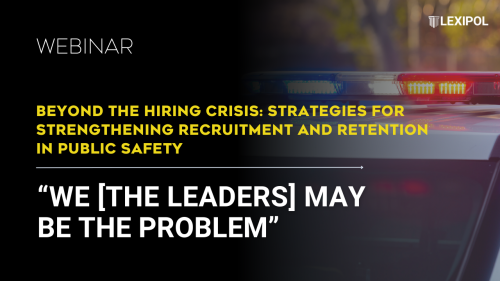
Learn how public safety agencies can overcome recruitment roadblocks with real-world strategies rooted in leadership, transparency and cultural change

What the rule changes mean for EMS and how agencies can reduce risk, lighten administrative burden and support better patient care

Harnessing next-generation clinical guidance to reduce chaos and enhance confidence for EMS providers
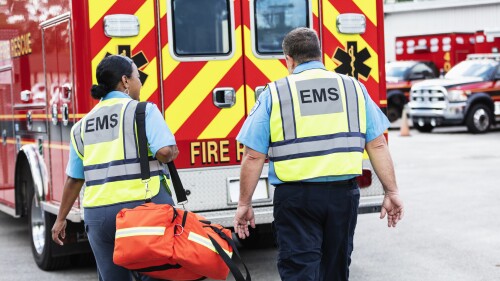
Empower personnel to step in early — before issues escalate

Lessons from agencies mastering real-time collaboration under pressure

End the burnout cycle with proven initiatives to create a more sustainable EMS culture

This informative webinar will provide key information on how two public safety agencies (one police and one fire) funded comprehensive smartphone programs that provided issued devices to all personnel.

Hear from survey investigators as they share data-driven strategies to improve EMS documentation across agencies

Get the insights, expert advice and tools to help your agency score big on grants

How technology can mitigate diversion and ensure compliance

The assessment sequence that could save lives — Are you using it?
INDUSTRY INSIGHTS

Whether in virtual reality or on a web browser, first responders can practice medical and behavioral health scenarios in a safe, realistic environment

The treatment has evolved to be one of the most effective and evidence-based treatments for trauma

Turnover in your billing office may reveal where reimbursement relies on memory instead of documented process

A unified technology suite can bring big advantages in a tight labor environment, including improved revenue

The final rule has been released – here’s what a veteran enforcement agent finds most important about it
WATCH NOW

With a focus on scene safety, the discussion delves into the complicated dynamics of emergency response and the importance of staying vigilant


OFF DUTY

Daily reading will make you a better provider, stronger leader and a more gracious colleague

Pack your gear, fire up that stove, and get ready to chow down like a king under the stars

Train smarter and stronger with these fitness tools

From painter’s tape to a post-project wash box, stock up on these DIY essentials

Our handy guide helps you make informed choices about cruise lengths, packing essentials and pre-cruise preparation

The American flag is considered a living symbol under federal law. We must treat it as such.

Memorial Day has a specific purpose, and maintaining that purpose is important

Prioritize your wellbeing to pave the way for sustained healthy living

Take charge of your health with these helpful kitchen tools for better nutrition

Strengthen your on-duty and off-duty workouts with kettlebells that promise durability and versatility for all fitness levels
PRODUCT RESEARCH CATEGORIES

The Financial, Insurance & Legal Services product category features information and resources for researching Financial Services solutions, as well as insurance options and legal resources, and includes financial leasing options, various types of insurance, mortgage tools and retirement planning assistance.

The Software product category features information, product listings and resources for researching EMS software solutions and covers a variety of software products such as billing, field data and scheduling software, as well as computer-aided dispatch (CAD) and electronic patient care reporting (ePCR).

The EMS1 Station product category features products and information for researching EMS facilities and supplies, and covers a variety of products and services, including furniture, chairs, couches, sofas and facility furniture.

The EMS Education product category features information and resources for researching EMS education, including tools, products, news articles and more.
Training simulators are key tools for building EMS skills through realistic, scenario-based learning. This topic covers high- and low-fidelity simulators used to practice airway management, trauma care, cardiac response, and other critical interventions. Simulators help EMS personnel improve decision-making, teamwork, and clinical performance in a controlled environment. They also support certification, recertification, and ongoing education. For additional resources used in EMS training, see Training Equipment & Supplies. Explore the articles in this topic to learn how simulators enhance the quality and effectiveness of EMS training programs.
Ambulance accessories play a key role in supporting EMS providers during emergency response, patient transport, and on-scene care. This topic covers essential tools and equipment such as oxygen storage systems, interior lighting, stretcher mounts, communication devices, and safety restraints. Reliable ambulance accessories help improve efficiency, protect patients and crew, and maintain readiness for all types of calls. Understanding what accessories are available—and how to use them—can support better outcomes in the field.
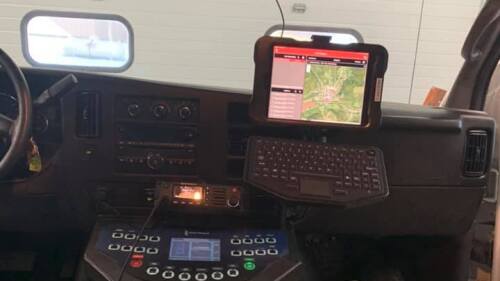
The EMS1 EMS Communications product category features products and information for researching EMS communications.

The EMS1 Vehicle Accessories product category is a collection of products and information for researching EMS Vehicle Accessories and covers a variety of products, including consoles, mounts, emergency lights and laptops.

The EMS1 Specialty Vehicles product category features products and information covering a variety of vehicles, including ambulances and command vehicles.
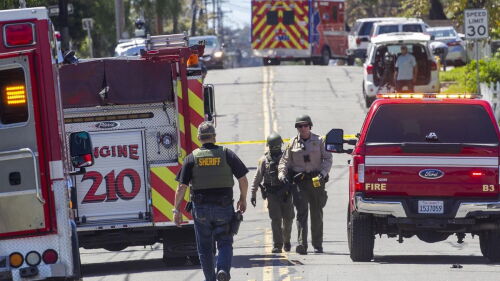
The EMS1 Communications Interoperability product category features products and information for researching Communications Interoperability solutions, including interfaces, P25 radios and other mobile and stationary technologies.