

BREAKING NEWS


Organizations across the U.S. recognized the people improving outcomes on the front lines of EMS
Two Bronx EMTs were unharmed but taken for evaluation after bullets struck their ambulance while at a call near a NYCHA complex
Fresno firefighters rescued a woman whose leg was impaled on a wrought iron fence after she ran from an ambulance
The proposed rule would cap some Medicaid supplemental payments for ambulance providers at Medicare Ambulance Fee Schedule rates beginning in 2029
Six EMS personnel and a supervisor received the Kim L. Lifesaver of the Year Award during EMS Week 2026 after treating a critically injured shooting victim before transport
EXCLUSIVES


🔥 NEW on EMS One-Stop:
Policy, payment reform & why EMS must engage
Policy, payment reform & why EMS must engage
As EMS reimbursement faces unprecedented scrutiny and pressure, Shawn Baird joins the EMS One-Stop podcast to explain what is happening in Washington, D.C., why it matters to every ambulance service in America and what EMS leaders can do about it.
SPECIAL REPORTS


UPCOMING & ON-DEMAND EVENTS

Reserve your place today to learn how EMS leaders are approaching AI with clarity, confidence and operational focus

Practical strategies to build influence, engage policymakers and drive meaningful industry change
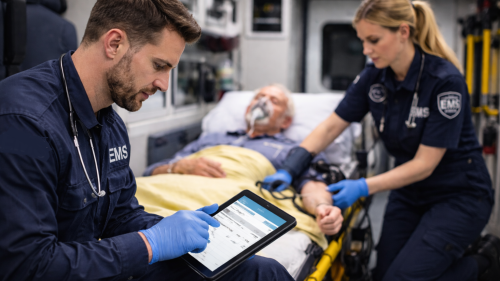
Work smarter, document faster and submit with confidence
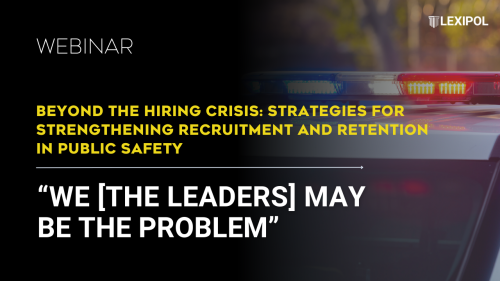
Learn how public safety agencies can overcome recruitment roadblocks with real-world strategies rooted in leadership, transparency and cultural change
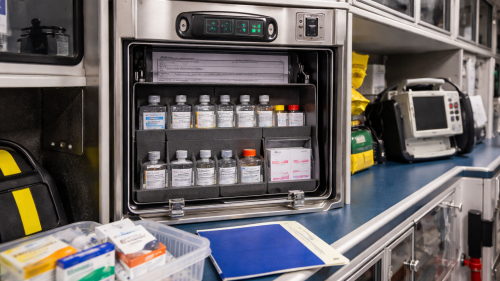
What the rule changes mean for EMS and how agencies can reduce risk, lighten administrative burden and support better patient care
Harnessing next-generation clinical guidance to reduce chaos and enhance confidence for EMS providers
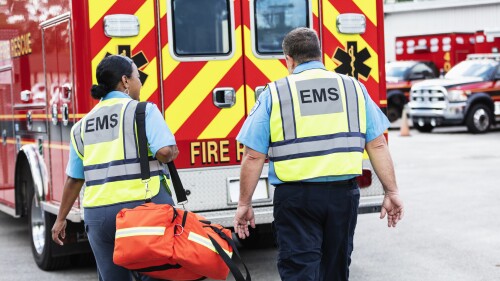
Empower personnel to step in early — before issues escalate

Lessons from agencies mastering real-time collaboration under pressure

End the burnout cycle with proven initiatives to create a more sustainable EMS culture

This informative webinar will provide key information on how two public safety agencies (one police and one fire) funded comprehensive smartphone programs that provided issued devices to all personnel.

Hear from survey investigators as they share data-driven strategies to improve EMS documentation across agencies

Get the insights, expert advice and tools to help your agency score big on grants
INDUSTRY INSIGHTS

Survey data reveals why resilient communications are becoming essential to response effectiveness, personnel safety and patient care

Its platform gives first responders full visibility into equipment, supplies and compliance

Learn how EMS agencies can create interoperable systems of care, strengthen community partnerships and secure funding to support long-term program success
WATCH NOW

A delayed arrival and sharp instincts led to a lifesaving intervention by Maryland EMS clinicians when a fan went into sudden cardiac arrest


OFF DUTY

From durability to design, learn which stability balls are the best fit for our dynamic needs

Eight choices for any budget to protect your property from the elements and reduce your heating and cooling bill

From budget-friendly options to high-security models, find the perfect product to secure your firearm in your personal vehicle

Discover innovative solutions for keeping your guns both secured and accessible at home
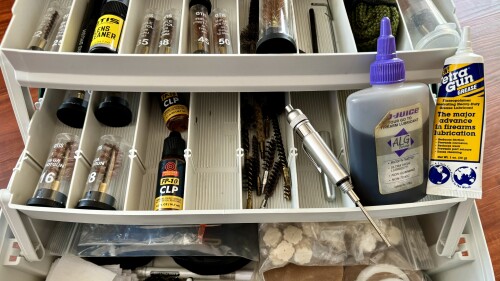
Cleaning your firearm is not just about maintaining its aesthetics or functionality; it’s essential for ensuring safety and reliability

We explain the types of cases, share our favorites for EMT and paramedic challenge coins and offer a few tips to choose the right case

By incorporating neck training into your daily fitness routine, you can prevent injury, reduce pain and even improve physical performance

Track your body’s biometrics with these top Amazon picks

Live at FDIC, Better Every Shift cohost Aaron Zamzow is capturing attendees improvement strategies

PRODUCT RESEARCH CATEGORIES

The Financial, Insurance & Legal Services product category features information and resources for researching Financial Services solutions, as well as insurance options and legal resources, and includes financial leasing options, various types of insurance, mortgage tools and retirement planning assistance.

The Software product category features information, product listings and resources for researching EMS software solutions and covers a variety of software products such as billing, field data and scheduling software, as well as computer-aided dispatch (CAD) and electronic patient care reporting (ePCR).

The EMS1 Station product category features products and information for researching EMS facilities and supplies, and covers a variety of products and services, including furniture, chairs, couches, sofas and facility furniture.

The EMS Education product category features information and resources for researching EMS education, including tools, products, news articles and more.

The EMS1 Patient Handling product category features products and information for researching EMS patient handling equipment, including stretchers, stair chairs, immobilization equipment, infection control and other tools for successful patient handling, lifting and moving.
EMS gear supports the safety, mobility, and performance of emergency medical personnel in the field. This topic includes uniforms, footwear, outerwear, bags, belts, and protective equipment designed for daily operations and challenging environments. Proper gear improves comfort, durability, and readiness while meeting safety and agency standards. Selecting the right equipment can help reduce fatigue and minimize the risk of injury during demanding calls. For tools used during patient assessment and treatment, see Diagnostic Equipment. Explore the articles in this topic to learn more about selecting and maintaining gear that meets the needs of today’s EMS professionals.
Diagnostic equipment enables EMS providers to assess patient conditions quickly and accurately in the field. This topic encompasses various tools, including pulse oximeters, ECG monitors, capnography devices, glucometers, and blood pressure monitors. Effective use of diagnostic equipment supports clinical decision-making, guides treatment, and improves patient outcomes. EMS professionals must stay informed about new technologies, device features, and maintenance requirements to ensure optimal performance. For related tools used during transport and care, see Ambulance Disposable Supplies. Browse the articles in this topic to learn how diagnostic equipment supports prehospital assessment and care delivery.
Training simulators are key tools for building EMS skills through realistic, scenario-based learning. This topic covers high- and low-fidelity simulators used to practice airway management, trauma care, cardiac response, and other critical interventions. Simulators help EMS personnel improve decision-making, teamwork, and clinical performance in a controlled environment. They also support certification, recertification, and ongoing education. For additional resources used in EMS training, see Training Equipment & Supplies. Explore the articles in this topic to learn how simulators enhance the quality and effectiveness of EMS training programs.
Ambulance accessories play a key role in supporting EMS providers during emergency response, patient transport, and on-scene care. This topic covers essential tools and equipment such as oxygen storage systems, interior lighting, stretcher mounts, communication devices, and safety restraints. Reliable ambulance accessories help improve efficiency, protect patients and crew, and maintain readiness for all types of calls. Understanding what accessories are available—and how to use them—can support better outcomes in the field.
Patient care is the foundation of EMS, encompassing the assessment, treatment, and transport of individuals in medical or trauma emergencies. This topic covers essential practices, including airway management, bleeding control, medication administration, and patient monitoring. It also includes protocols, documentation, and communication with receiving facilities. Delivering effective patient care requires clinical knowledge, critical thinking, and adherence to current guidelines. For tools that support care delivery in the field, see Diagnostic Equipment. Explore the articles in this topic to stay informed on essential skills and strategies for high-quality EMS patient care.