

BREAKING NEWS


East Alabama Fire District firefighters turned their bay floor into an “Olympic” arena
Blowing dirt and heavy winds drove visibility to near zero on Interstate 25 south of Pueblo, triggering crashes involving several vehicles
Richmond University Medical Center will take one of six ambulances offline from 1 a.m. to 9 a.m., raising concerns about overnight EMS coverage and response times on Staten Island
Four firefighters and the Abundant Life Fellowship Church pastor are in critical condition after an explosion inside a Boonville-area church
The new program makes Elyria one of only two Ohio cities authorized to give prehospital blood
EXCLUSIVES


SPECIAL REPORTS


UPCOMING & ON-DEMAND EVENTS

Harnessing next-generation clinical guidance to reduce chaos and enhance confidence for EMS providers
Empower personnel to step in early — before issues escalate

Lessons from agencies mastering real-time collaboration under pressure

End the burnout cycle with proven initiatives to create a more sustainable EMS culture

This informative webinar will provide key information on how two public safety agencies (one police and one fire) funded comprehensive smartphone programs that provided issued devices to all personnel.

Hear from survey investigators as they share data-driven strategies to improve EMS documentation across agencies

Get the insights, expert advice and tools to help your agency score big on grants

How technology can mitigate diversion and ensure compliance

The assessment sequence that could save lives — Are you using it?
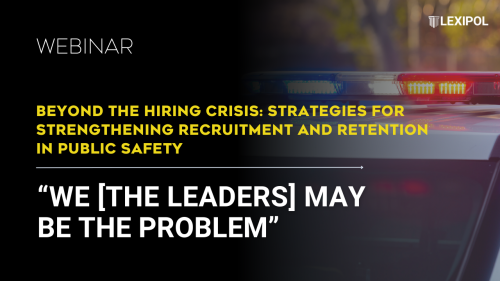
Learn how public safety agencies can overcome recruitment roadblocks with real-world strategies rooted in leadership, transparency and cultural change

Learn why outcome-based leadership is crucial for making meaningful changes in your agency and community

Discover why the departments that treat recruiting like marketing are winning — and how to follow their lead
INDUSTRY INSIGHTS

From unit assignment to nonemergent scheduling, this software solution can help call centers and EMS agencies manage staffing shortages and growing demand
Now it supports EMS and fire professionals with secure, automated medication dispensing solutions

Learn the four data fields dispatch must get right for stronger financial performance

Developed for humanitarian crises, My-Shield delivers a nonflammable, environmentally conscious disinfecting option for EMS crews

How NarcBox can help EMS agencies prepare for stricter controlled-substance accountability
WATCH NOW

Observation — by others or yourself — has the power to shift behavior. Discover how self-awareness can improve resilience, focus and well-being


OFF DUTY

Amid the backyard barbecues and price-slashing sales, thousands across the country are remembering their loved ones

Stay safe under the sun with these 10 expert tips on preventing and treating sunburn

Enhance your workout with these fitness tools, perfect for building strength, coordination and core stability

From classic to high-tech, find the perfect jump rope to match your fitness goals

Practical upgrades like security bars, window films and wireless cameras can enhance your home’s protection without overspending

From multi-tools to night vision glasses, we’ve got your road trip essentials covered

When it comes to exercise, supportive equipment is non-negotiable

Daily reading will make you a better provider, stronger leader and a more gracious colleague

Pack your gear, fire up that stove, and get ready to chow down like a king under the stars

Train smarter and stronger with these fitness tools
PRODUCT RESEARCH CATEGORIES
The EMS1 EMS Automated CPR product category is a collection of products and information for researching Automated Cardiopulmonary Resuscitation (CPR) products. It covers a variety of Automated External Defibrillators (AEDs), training tools and other resuscitation products.

The Software product category features information, product listings and resources for researching EMS software solutions and covers a variety of software products such as billing, field data and scheduling software, as well as computer-aided dispatch (CAD) and electronic patient care reporting (ePCR).
The EMS1 Billing Software product category features information and resources for researching Billing Software for your agency, including resources for data management software programs and systems available today.

The Online Training product category features products and information for researching EMS online training and covering a variety of products and services, including training programs/courses available online.

The EMS Education product category features information and resources for researching EMS education, including tools, products, news articles and more.
Training simulators are key tools for building EMS skills through realistic, scenario-based learning. This topic covers high- and low-fidelity simulators used to practice airway management, trauma care, cardiac response, and other critical interventions. Simulators help EMS personnel improve decision-making, teamwork, and clinical performance in a controlled environment. They also support certification, recertification, and ongoing education. For additional resources used in EMS training, see Training Equipment & Supplies. Explore the articles in this topic to learn how simulators enhance the quality and effectiveness of EMS training programs.
Patient monitoring plays a critical role in prehospital care, enabling EMS providers to track vital signs, assess patient condition, and detect changes in real-time. Monitoring tools include ECG, pulse oximetry, capnography, and blood pressure tracking. These systems support timely decision-making during transport and handoff to hospital teams. Integrated patient monitoring improves documentation accuracy, care continuity, and patient outcomes. Training on device use and data interpretation is essential. EMS Software is another important topic that explores broader tools used in the field. Explore the articles below for guidance on patient monitoring equipment, protocols, and best practices.
Dispatch, call centers, and 911 systems are critical components of emergency response. These operations manage call intake, resource allocation, and communication between dispatchers and field units. Efficient systems and well-trained staff help ensure accurate information, quick response times, and coordinated incident management. Technology like CAD, AVL, and integrated radio systems enhances performance and situational awareness. Dispatch, call centers & 911 services must follow state and national standards for operations and training. Emergency Communications is another important topic focused on tools and infrastructure for responder connectivity. Explore the articles below for insights into staffing, protocols, and system improvements.
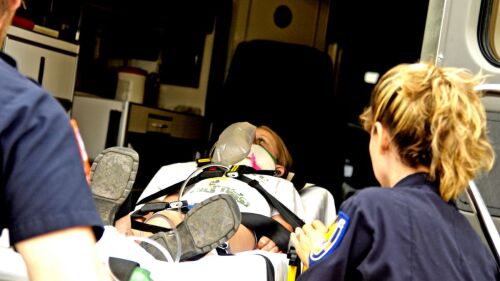
The EMS1 Capnography product category features products and information for researching capnography’s use by EMS personnel to aid in their assessment and treatment of patients in the prehospital environment. Click here to download a guide to normal/abnormal capnography waveforms.
Narcotics inventory management is essential for tracking controlled substances used by fire and EMS agencies. Effective systems help ensure accountability, prevent diversion, and maintain compliance with DEA regulations. Digital solutions support secure storage, chain-of-custody documentation, automated logging, and audit readiness. Proper narcotics inventory management also reduces errors and streamlines the restocking process. Agencies should establish clear policies, provide practical training, and maintain thorough oversight.