

BREAKING NEWS


Police said the Richmond County ambulance was left running with the keys inside
Putnam County officials recognized two volunteer fire departments and three residents after bystander CPR and quick defibrillator use helped save patients
The bags include sensory and communication tools to help Ulster County first responders support people with autism or sensory sensitivities during emergencies
A bus crashed into slowed traffic on Interstate 95 in Stafford County
Aston Ambulance Authority launched with 17 paramedics and advanced equipment as Delaware County communities continue rebuilding emergency medical services
EXCLUSIVES



🎧 EMS One-Stop: Johnny and Roy inspired a generation. Now they’re telling EMS’s toughest truths
In this episode of EMS One-Stop, Rob Lawrence is joined by EMS pioneer Dr. Baxter Larmon and award-winning filmmaker Tom Putnam to discuss Into the Unknown: The Paramedics’ Journey.
SPECIAL REPORTS


UPCOMING & ON-DEMAND EVENTS


Safeguard patients’ lives—and your career—by using ePCRs to get the data right

INDUSTRY INSIGHTS

Survey data reveals why resilient communications are becoming essential to response effectiveness, personnel safety and patient care
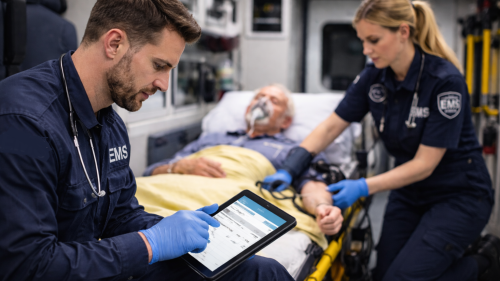
Work smarter, document faster and submit with confidence

Cumbersome and costly testing methods have long challenged first responders – this product changes that

A quick guide to the benefits and factors that should shape your choice

Reserve your place today to learn how EMS leaders are approaching AI with clarity, confidence and operational focus


OFF DUTY

From grabber tools to car safety handles, discover affordable devices designed to assist with mobility and reach, reducing the risk of injury

From staying active to finding purpose, these tried-and-true strategies will help you navigate and enjoy life after retirement

Some first responders take the unique experience of serving the public into the political arena

Discover how one public safety professional rebuilt her identity and found new purpose after an injury led to early retirement in her 30s

Preparing yourself for colder conditions will decrease your odds of missing out on training time due to sickness or injuries

Become familiar with the signs associated with date rape drugs like Ketamine, GHB and Rohypnol, and how to protect yourself from becoming a victim

Discover essential tools to help individuals with limited mobility navigate daily life more easily and securely

From the advanced engineering and design to the extra strong hardware and stitching, these tactical backpacks are designed to support you without weighing you down

Dating might be a battlefield, but with these tips and tools, you’ll be ready to navigate it like a pro

Use a portable power station to quickly and quietly charge radios, smartphones and power lighting and other devices when other power sources are not available
PRODUCT RESEARCH CATEGORIES

The EMS1 Specialty Vehicles product category features products and information covering a variety of vehicles, including ambulances and command vehicles.
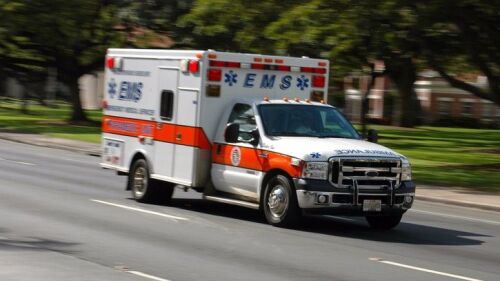
The EMS1 Ambulance Safety product category is a collection of information, product listings and resources for researching Ambulance Safety solutions.

The EMS1 Fleet Management product category features information and resources for researching EMS Fleet Management and Ambulance Fleet Management products and programs.

The EMS1 AEDs Automated External Defibrillators product category features information and product listings for researching AEDs, including defibrillators and data management solutions related to cardiac resuscitation..
The EMS1 EMS Automated CPR product category is a collection of products and information for researching Automated Cardiopulmonary Resuscitation (CPR) products. It covers a variety of Automated External Defibrillators (AEDs), training tools and other resuscitation products.

The EMS1 Defibrillators and Monitors product category is a collection of information, product listings, and resources for researching Defibrillators and Monitors used by EMS personnel to aid in their assessment and treatment of patients.

The EMS1 Personal Protective Equipment (PPE) product category features products and information for researching EMS PPE, covering apparel, helmets, gloves, boots, outerwear and other equipment needed for safe and efficient emergency response.

The EMS1 EMS Body Camera product category is a collection of information, product listings and resources for researching Body-Worn Camera equipment and accessories for EMS providers.

The EMS1 Patient Handling product category features products and information for researching EMS patient handling equipment, including stretchers, stair chairs, immobilization equipment, infection control and other tools for successful patient handling, lifting and moving.

The Software product category features information, product listings and resources for researching EMS software solutions and covers a variety of software products such as billing, field data and scheduling software, as well as computer-aided dispatch (CAD) and electronic patient care reporting (ePCR).