

Updated September 6, 2016
In many natural disasters and terrorism events, it is likely that many more people will be mentally affected than the actual number of physically injured patients. The “Psychological Footprint” is much larger than the “Medical Footprint.” 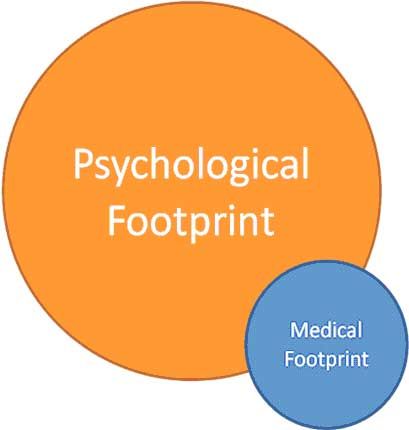
As you probably know from your own experience, the mental or traumatic stress of a serious incident can linger with you for hours, days, weeks, months or years. Pre-, during, and post-incident stress management is as important as ever. Proactively managing your stress will help you be at your best for your partner, patients, friends, and family.
I am just beginning to hear and read about something called Psychological First Aid (PFA). Browse to the SAMHSA Web site for PFA first responder resources. Also check out information and resources from the Minnesota Psychological First Aid Training program to learn more:
Also the National PFA Manual is a comprehensive resource.
Have you heard of PFA? Do EMS providers in your area have access to PFA? Should EMS providers screen for psychological injury during a disaster or terrorism incident?
Use the comments area to tell us what you think.
