

BREAKING NEWS


Williamsburg officials revised the number of people hurt in the homecoming party deck collapse from 28 to 39, with 13 taken by ambulance and 26 seeking their own transportation
A Rowan County ambulance carrying a critical patient collided with a car in Lexington, sending three others to the hospital with non-life-threatening injuries while a second ambulance completed the patient’s transport
Police say a fight preceded the shooting outside FAMU’s Bragg Memorial Stadium, with none of the 11 gunshot victims, six of them minors, believed to be intended targets
The collapse at a homecoming party in Williamsburg sent 13 people to the hospital by ambulance and 15 via their own transportation
The proposed levy would let Iowa County supervisors collect up to $1.50 per $1,000 of assessed value for 15 years, as one supervisor questions the need given flat call volume despite EMS expenses rising more than 30% since 2022
EXCLUSIVES


🎧 NEW: Paramedic Quinn Reece and her flying machine
Paramedics Quinn Reece and James Robinson describe flying a single-seat eVTOL on 911 calls in rural North Carolina, from simulator drills to landing beside patients.
SPECIAL REPORTS


UPCOMING & ON-DEMAND EVENTS

Find opportunities that connect your community’s needs with your next grant application.

Prepare your crews today for the emergencies they will face tomorrow

Avoid common registration delays that could cost you funding opportunities

Stop managing schedules and start strengthening your workforce
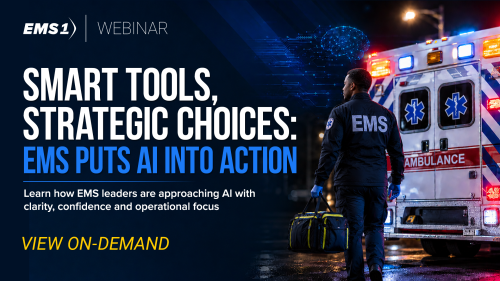
Learn how EMS leaders are approaching AI with clarity, confidence and operational focus

Practical strategies to build influence, engage policymakers and drive meaningful industry change
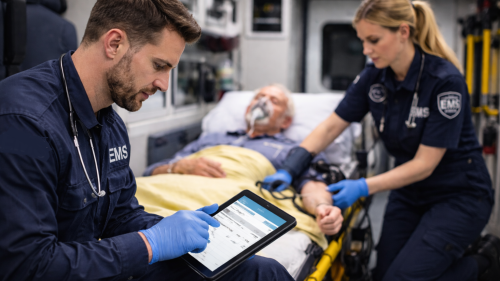
Work smarter, document faster and submit with confidence

Learn how public safety agencies can overcome recruitment roadblocks with real-world strategies rooted in leadership, transparency and cultural change
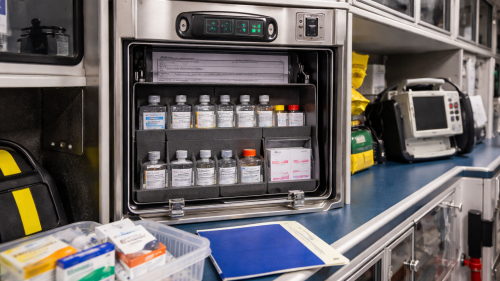
What the rule changes mean for EMS and how agencies can reduce risk, lighten administrative burden and support better patient care
Harnessing next-generation clinical guidance to reduce chaos and enhance confidence for EMS providers
Empower personnel to step in early — before issues escalate

Lessons from agencies mastering real-time collaboration under pressure
INDUSTRY INSIGHTS

Over 1,000 first responders weigh in on the future of their tech tools

Future tech tools require increased resiliency and reliability

Survey data reveals the gap between tech adoption and actual disaster readiness — and what agencies are doing to close it
WATCH NOW

Two calls, one cause. Learn how to recognize retained placenta, when to use TXA and how to speed transport for postpartum hemorrhage patients.


OFF DUTY

The off-duty EMS1 topic highlights off-duty incidents involving EMS personnel, off-duty passions of EMS providers and other industry-relevant information related to off-duty activities.

Hundreds of comments reveal broad support for off-duty cannabis use among EMS professionals, while questions about impairment testing, liability and federal rules remain sticking points

The Anthony Giambrone case exposes the widening gap between drug-free workplace rules, medical marijuana laws and what it actually means to be fit for duty.
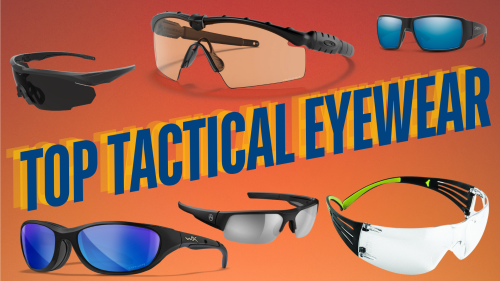
Find the perfect pair of tactical glasses with our expert recommendations, focusing on safety, optical clarity and advanced protection

The bestselling “One Second After” author urged EMS leaders to prepare for operational continuity,
resilience and decision-making when critical infrastructure fails
resilience and decision-making when critical infrastructure fails
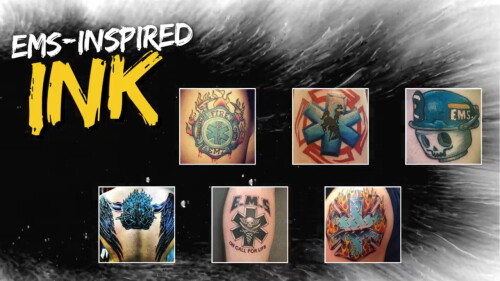

Keep your new tattoo safe, clean and vibrant with these nine tips tailored for tough environments
Know when to stop, how much assistance to provide and how to hand off patient care to responding authorities

Self-awareness is the uncomfortable mirror that exposes the habits keeping you stuck — and it’s the first step toward reclaiming your direction

Check out these classic comedy sketches involving firefighters, EMTs and paramedics
PRODUCT RESEARCH CATEGORIES

The EMS1 Ambulances product category features information, product listings and resources for researching ambulances.

The EMS1 Neonatal/Pediatric product category features products and information for researching EMS pediatric equipment, covering a variety of patient handling, CPR, training equipment and more.
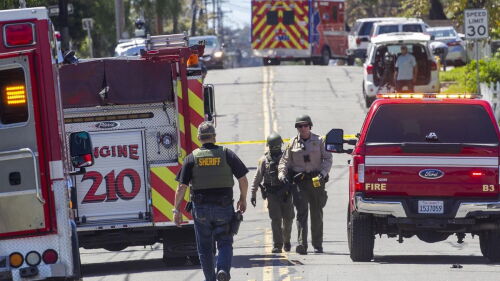
The EMS1 Communications Interoperability product category features products and information for researching Communications Interoperability solutions, including interfaces, P25 radios and other mobile and stationary technologies.

The Software product category features information, product listings and resources for researching EMS software solutions and covers a variety of software products such as billing, field data and scheduling software, as well as computer-aided dispatch (CAD) and electronic patient care reporting (ePCR).

The EMS1 Radios product category features products and information for researching EMS radios, covering communications equipment, communications interoperability, wireless handsets and EMS radio-related equipment.
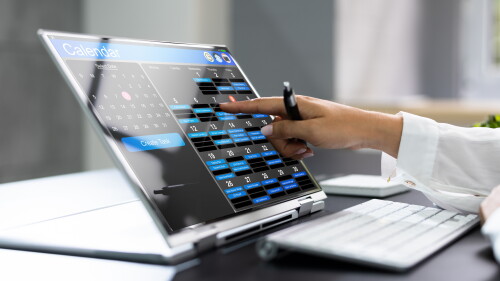
The EMS1 EMS Scheduling and Time Tracking Software product category features products and information for researching software, staff management and scheduling tools.

The EMS1 Medical Monitoring product category features products and information for researching EMS patient monitoring equipment, such as monitor/defibrillators, monitor mounts, AEDs, and other tools for successful patient assessment.

The EMS1 Station product category features products and information for researching EMS facilities and supplies, and covers a variety of products and services, including furniture, chairs, couches, sofas and facility furniture.
The EMS1 EMS Automated CPR product category is a collection of products and information for researching Automated Cardiopulmonary Resuscitation (CPR) products. It covers a variety of Automated External Defibrillators (AEDs), training tools and other resuscitation products.
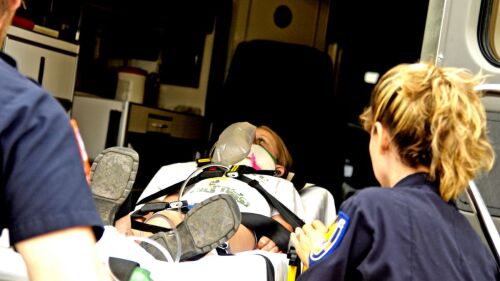
The EMS1 Capnography product category features products and information for researching capnography’s use by EMS personnel to aid in their assessment and treatment of patients in the prehospital environment. Click here to download a guide to normal/abnormal capnography waveforms.